Categories
Categories

Precision Machining

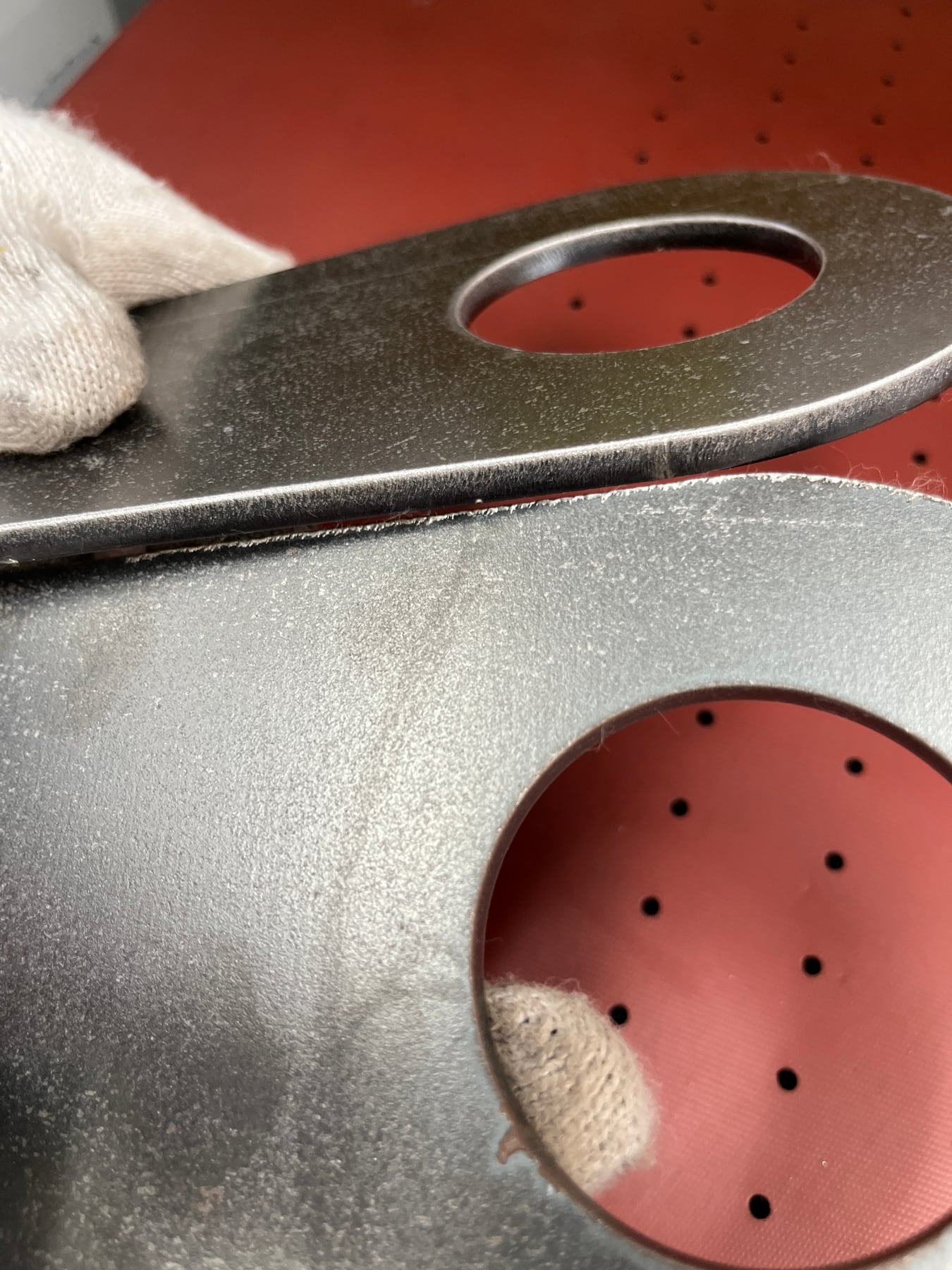
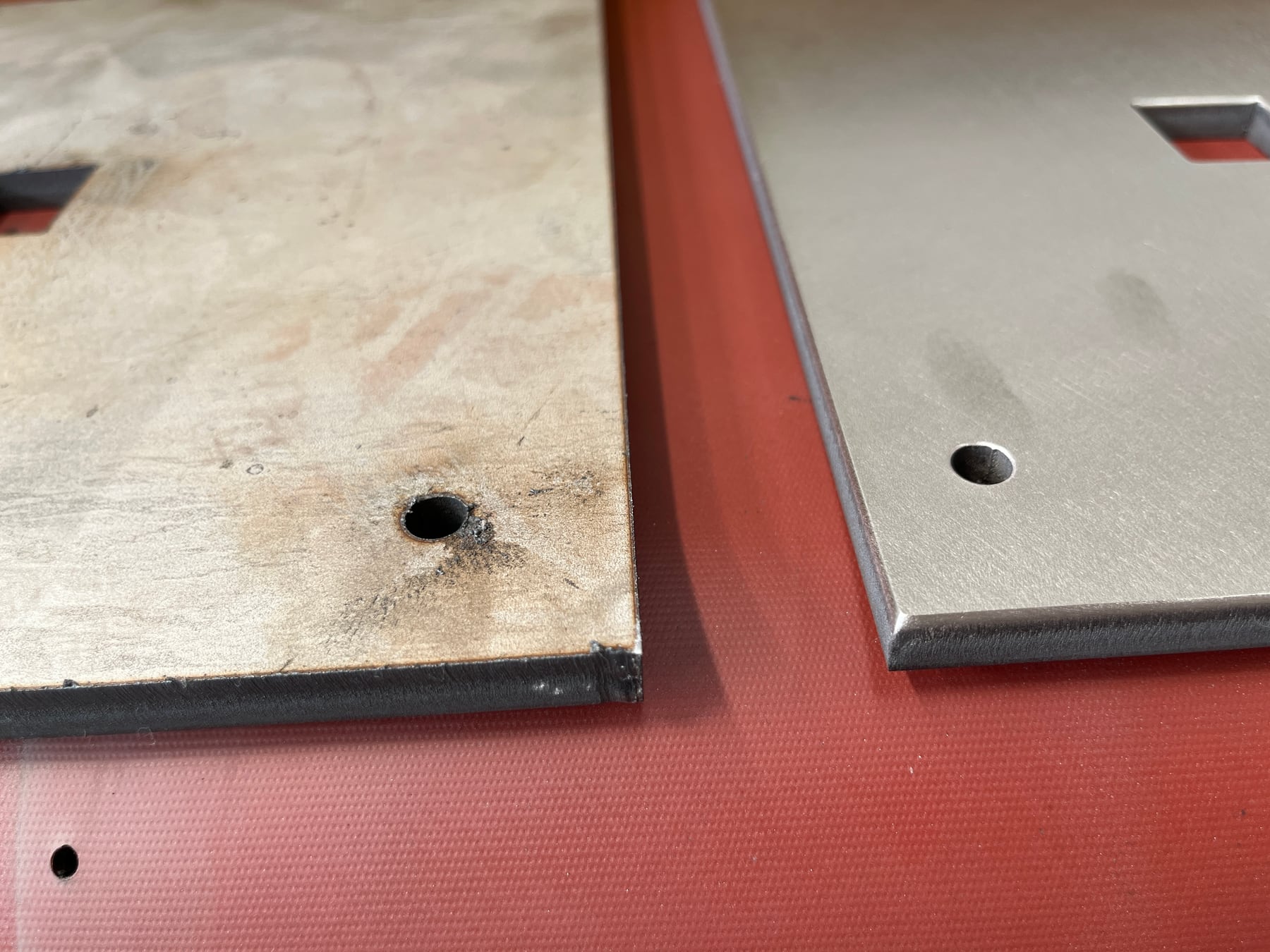
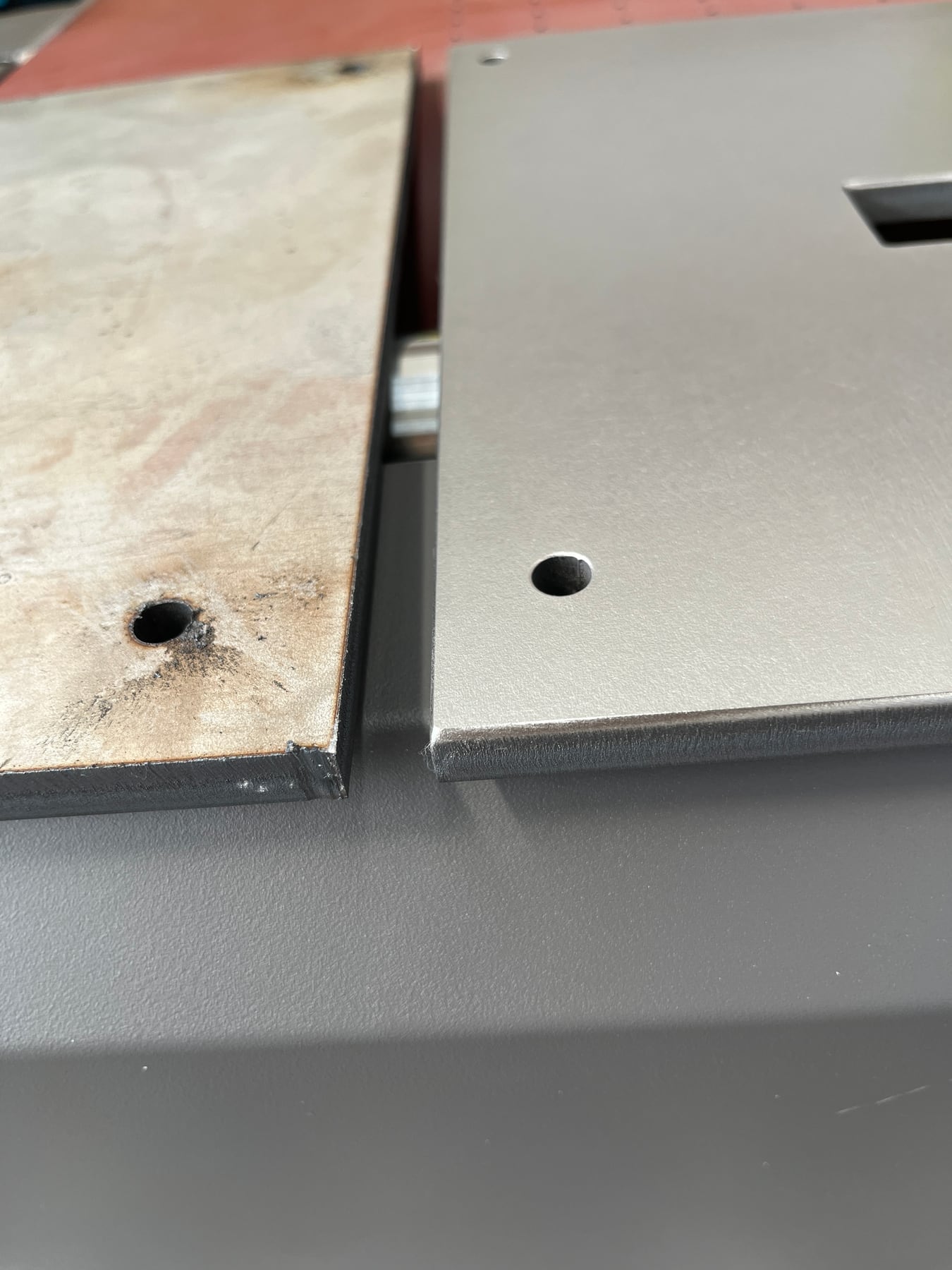
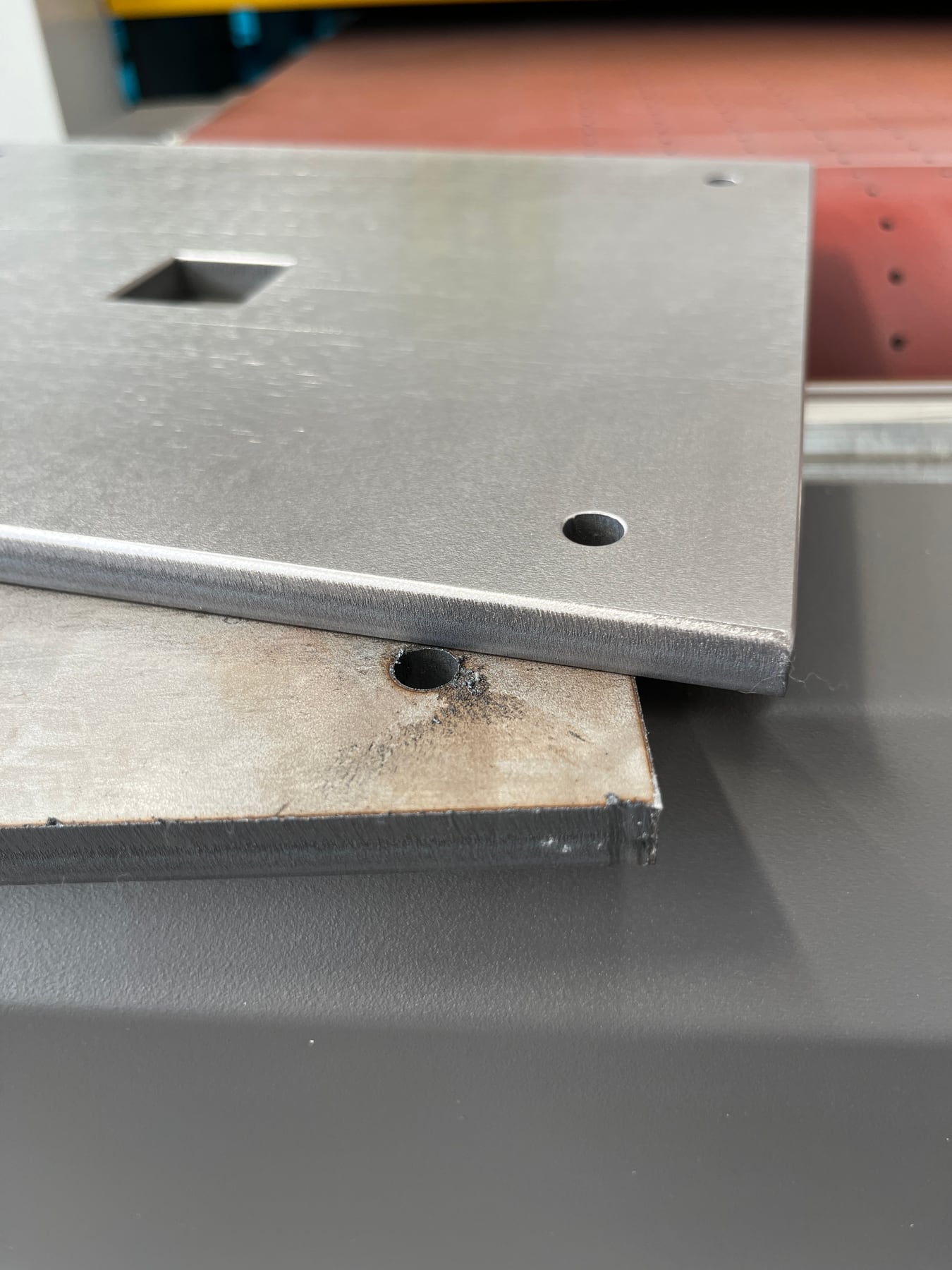
Qintellim deburring and surface finishing solutions help precision machining workshops remove fine burrs, round sharp edges and improve surface consistency on CNC machined, stamped and engraved metal parts.
Precision Machining
Case Details

Precision Machining Deburring and Surface Finishing Solutions

Precision machining workshops need stable burr removal, controlled edge rounding and consistent surface finishing before assembly, coating or final inspection. Qintellim equipment helps process CNC machined parts, stamped components, engraved parts and small to medium metal components with repeatable quality.

Typical finishing challenges

  • Fine burrs on milled, drilled, stamped or laser-cut precision parts.
  • Sharp edges that affect handling, coating adhesion or assembly fit.
  • Uneven brush marks, polishing marks or oxide residue after cutting and machining.
  • Small-batch parts that need flexible process combinations and quick adjustment.

Recommended process route

For precision components, Qintellim usually recommends R-station deburring with sanding belts for initial burr removal, S-station rotary roller brush edge rounding for contour consistency, and brushing or polishing stations for the final surface. The station combination can be selected by material, burr height, surface requirement and production volume.

Part type Main issue Suggested Qintellim solution
CNC machined aluminum or steel parts Fine burrs and sharp edges S edge-rounding machine or RS/RRS deburring configuration
Stamped precision components Edge burrs and surface scratches RRS deburring and edge-rounding system
Decorative or visible metal parts Surface consistency and polishing quality RRW deburring, brushing and polishing configuration

Related equipment

For mixed precision parts, Qintellim can recommend the working width, conveyor platform and station combination according to sample parts, drawings and required surface finish. Contact Qintellim to match a deburring and finishing process for your precision machining line.

Application-Based Machine Selection

Recommended Finishing Workflow for This Application

Use the information below to match the case application with a practical Qintellim deburring, edge rounding, grinding, brushing, slag removal, oxide removal or dust collection configuration.

Typical Workpiece Problems

Burrs after laser cutting, sharp outer edges, small inner holes, oxide layers before coating, inconsistent manual grinding and dust safety risks.

BurrsSharp EdgesOxide Layer

Recommended Processes

Combine abrasive belt grinding, edge rounding brushes, brushing or polishing rollers, heavy-slag removal and dust collection according to the real workpiece condition.

DeburringEdge RoundingSurface Finishing

Selection Information Needed

Share material, cutting method, thickness, workpiece size, burr condition, required finish, capacity target and whether wet or dry dust collection is preferred.

MaterialSizeCapacity

Qintellim Station Logic

Configurations can be adjusted with process stations and conveyor platforms to fit different industries and workpiece requirements. Working widths can be customized at 450 / 630 / 800 / 1000 / 1300 / 1600 mm.

RAbrasive belt grinding for burr and oxide removal.
SBrush edge rounding for outer edges and inner holes.
CAlloy hammer station for heavy slag removal.
WBrushing or polishing roller for surface finishing.
AVacuum conveyor platform for non-magnetic parts.
MMagnetic conveyor platform for carbon steel parts.
A-MHybrid platform for mixed material production.
DustWet or dry dust collection for safer finishing.