Consistent quality, striving for excellence, and crafted with care
Consistent quality, striving for excellence, and crafted with care
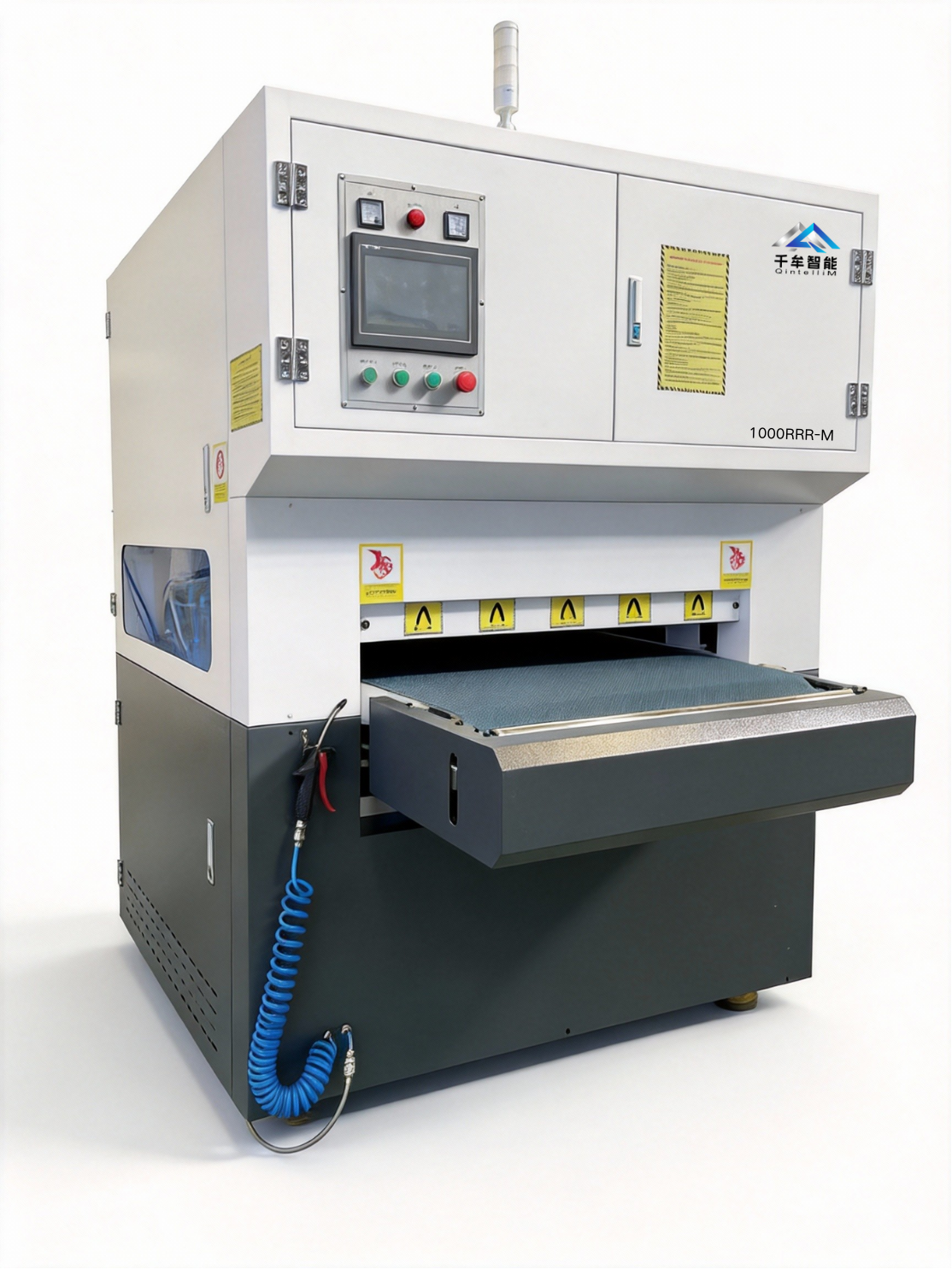
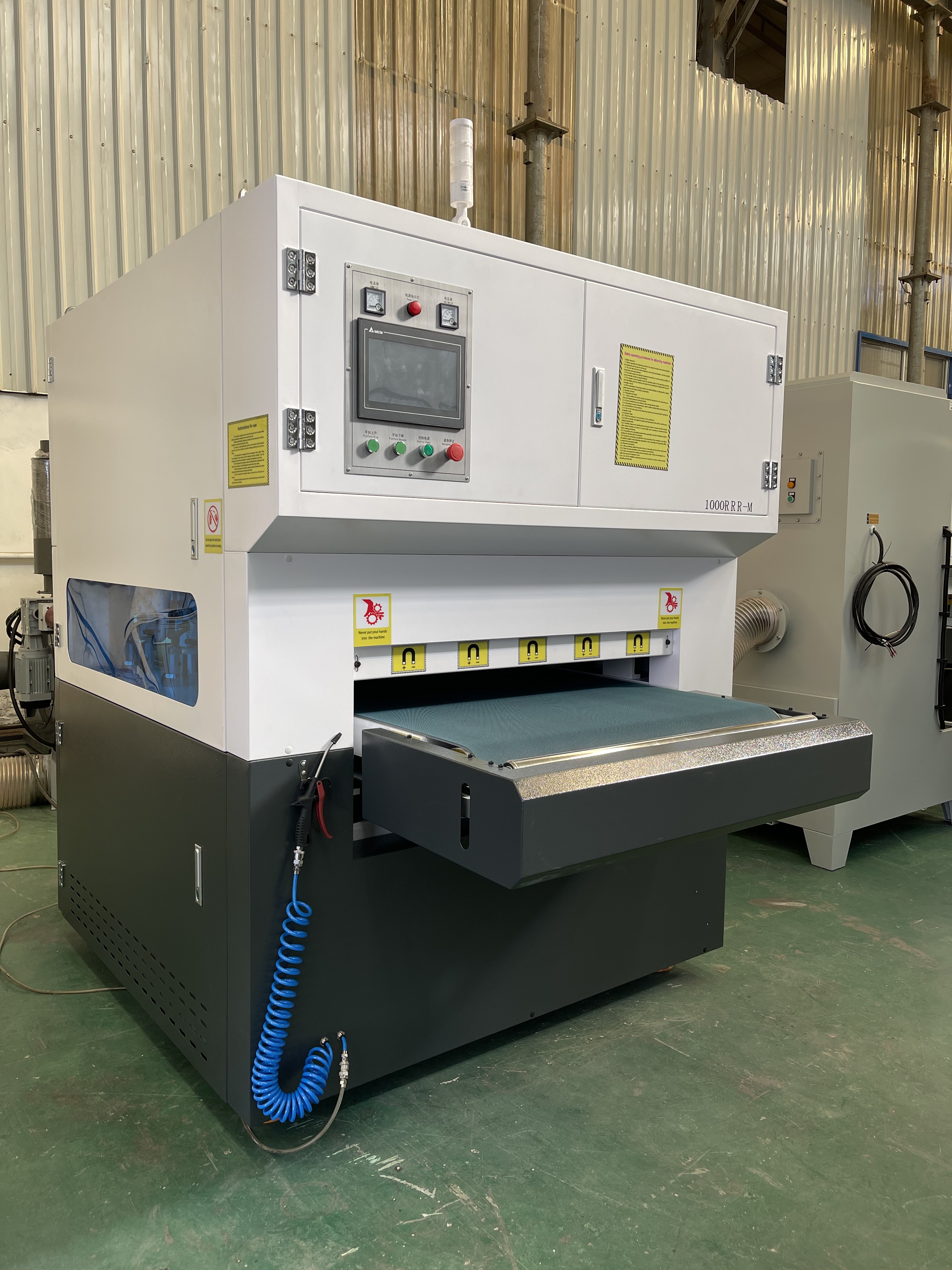



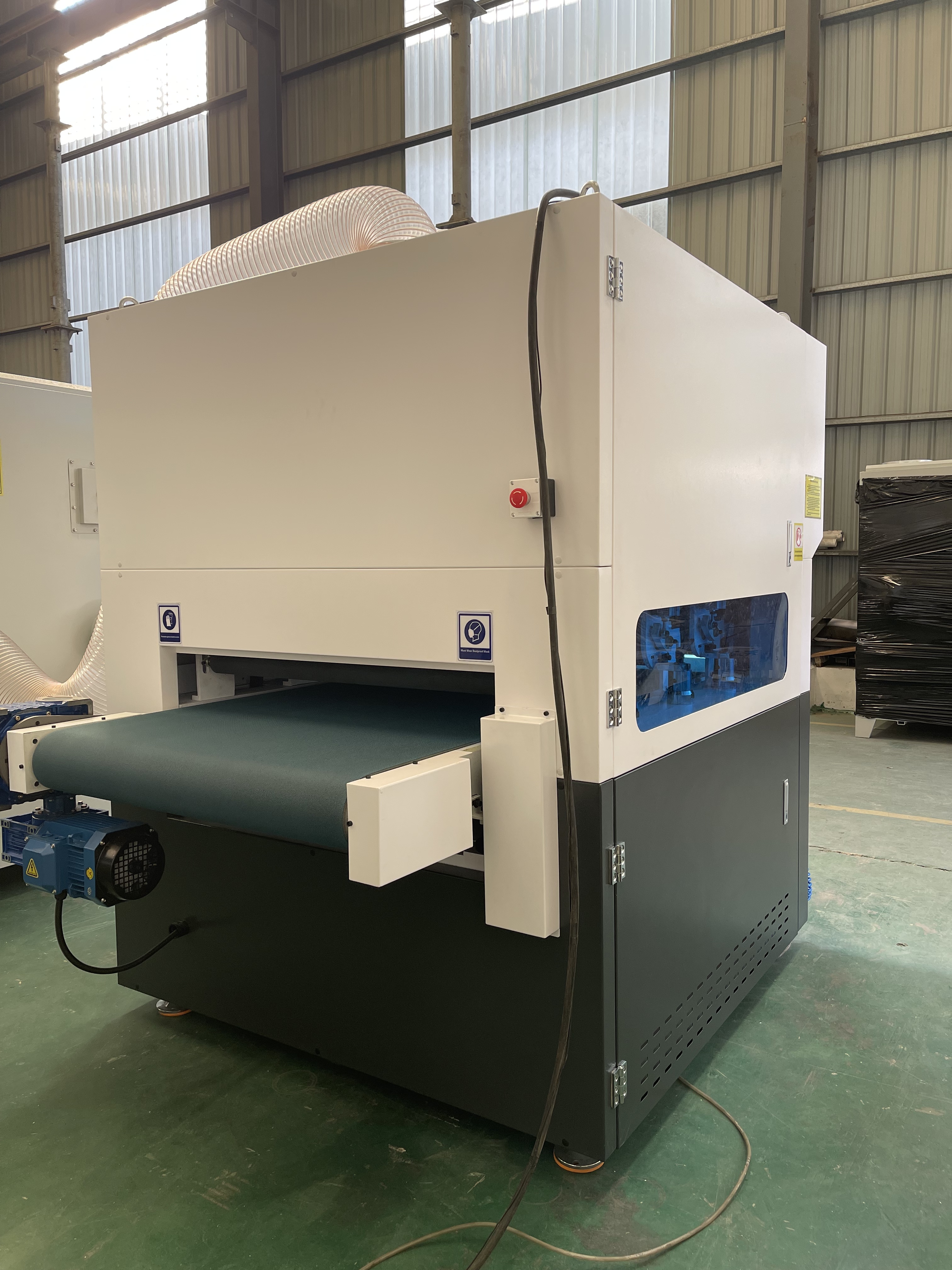


Part of the QintelliM R Series — Abrasive-Belt Deburring Machines. Compare R, RR and RRR station arrangements in the family selection guide.
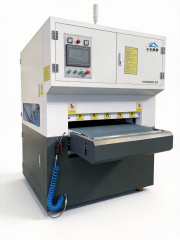
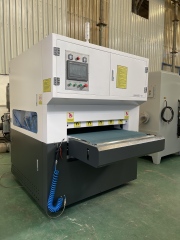
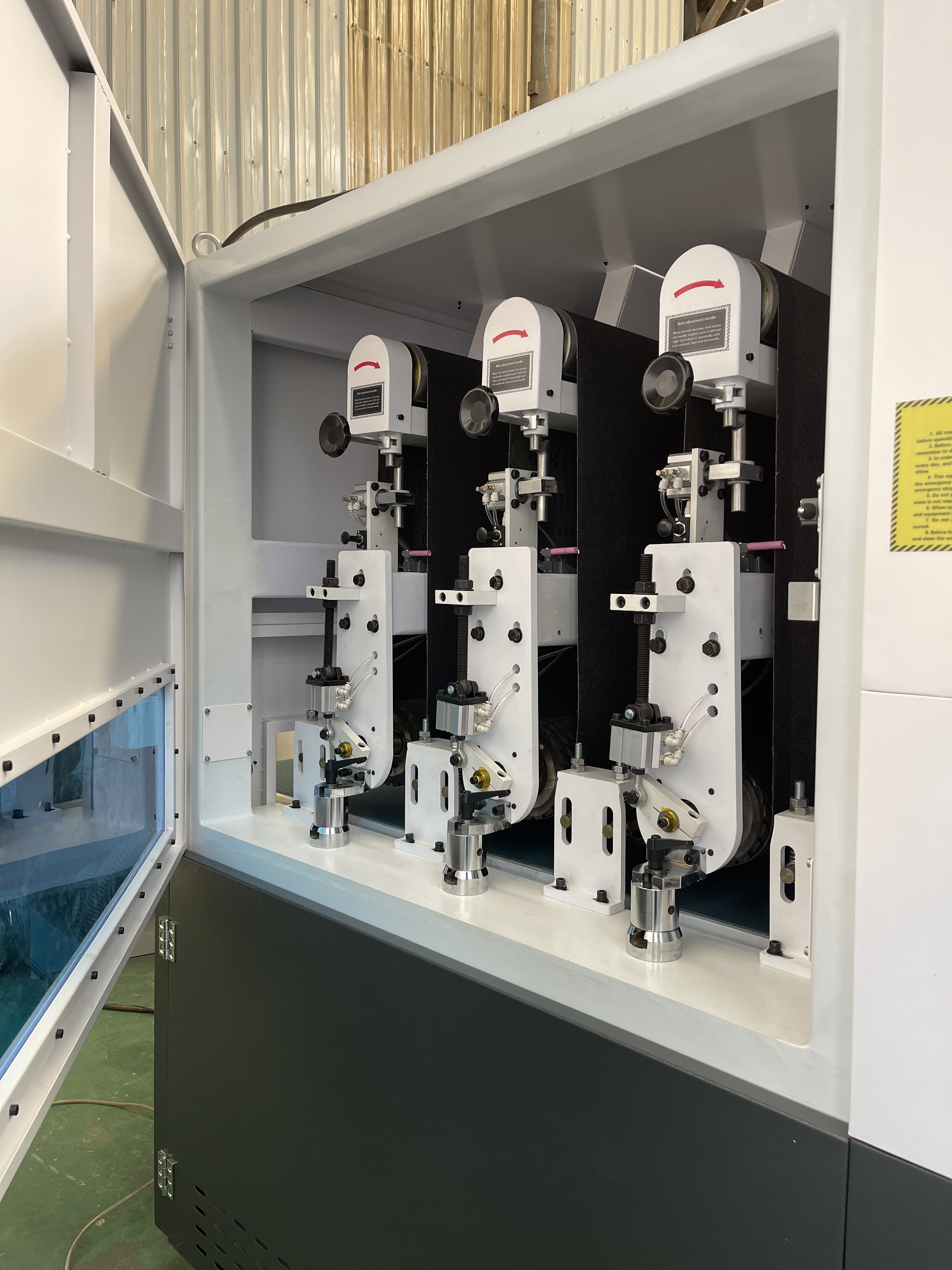
The QintelliM 1000RRR-M is a triple-belt deburring machine for high-volume sheet metal production. Three deburring stations using abrasive belt consumables provide stronger burr removal, slag removal, oxide-scale cleaning, and surface preparation than single- or dual-station configurations.
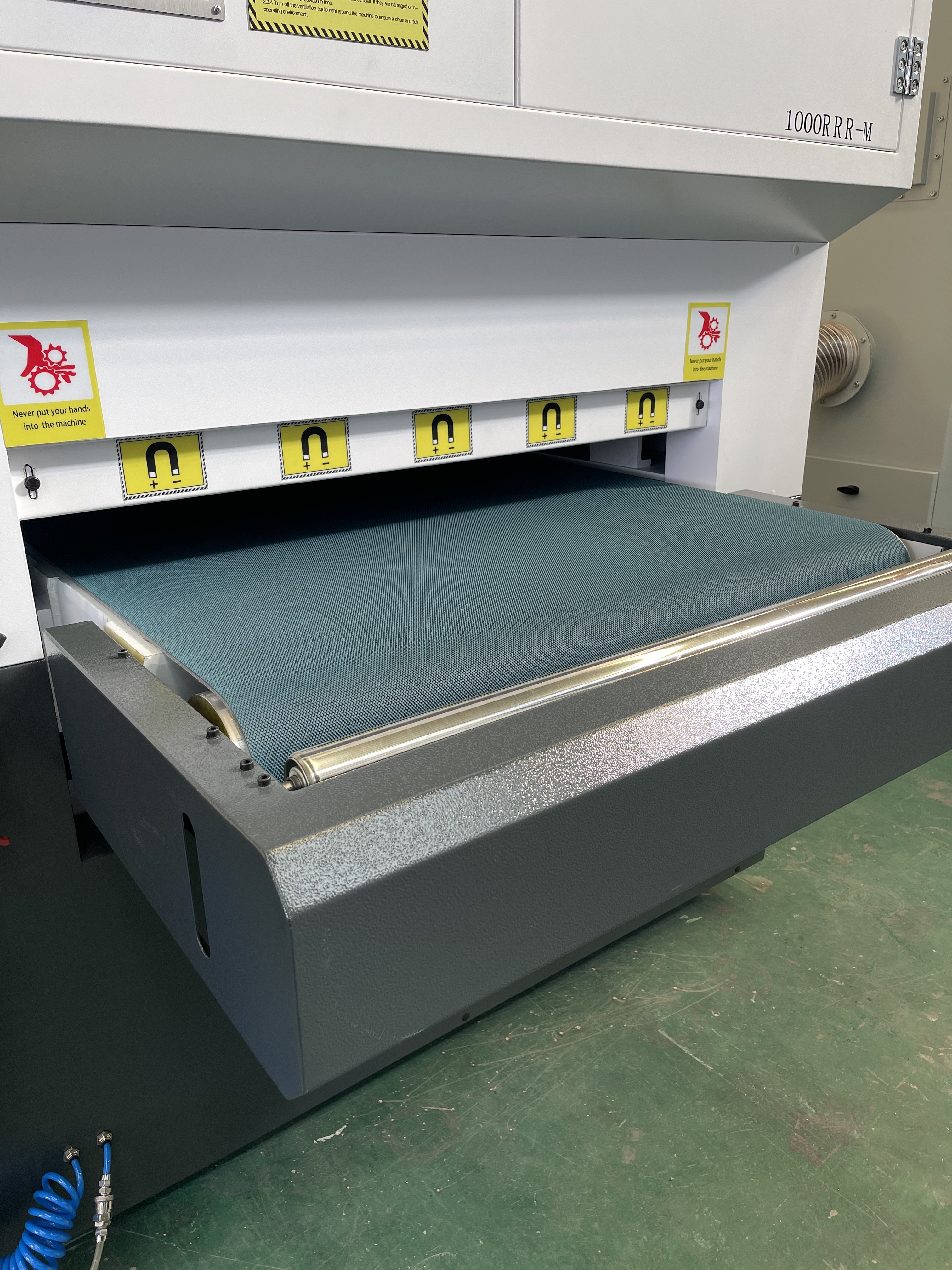
The magnetic conveyor platform is designed for ferrous metal parts, while Siemens PLC control with Schneider electrical components, VFD feed adjustment, and automatic belt tracking support stable batch processing.
| Station | Function |
|---|---|
| R1 abrasive belt | Initial burr removal and heavy surface grinding. |
| R2 abrasive belt | Secondary grinding for more stable surface preparation. |
| R3 abrasive belt | Final grinding or finishing according to the required result. |
| M magnetic conveyor | Stable holding for ferrous steel workpieces during continuous feeding. |
| Item | Specification |
|---|---|
| Model | QMZN-1000RRR-M |
| Processing type | Triple abrasive-belt deburring, heavy burr removal, slag removal, surface preparation |
| Standard working width | 1000 mm |
| Custom working widths | 450 / 630 / 800 / 1000 / 1300 / 1600 mm available by project |
| Workpiece thickness | 0.6-80 mm, depending on part flatness and process requirement |
| Feed speed | 0.7-8 m/min, VFD adjustable |
| Abrasive belt stations | 3 independent belt deburring stations |
| Abrasive belt size | Approx. 1020 x 1900 mm |
| Conveyor platform | M magnetic conveyor for ferrous parts |
| Control system | Siemens PLC touchscreen control with Schneider electrical components; CNC cantilever optional |
| Installed power | Approx. 34 kW, depending on configuration |
| Machine size | Approx. 2500 x 1640 x 2100 mm |
| Machine weight | Approx. 2884 kg |
| Dust collection | QintelliM currently supplies wet dust collection systems only. The wet dust collection configuration is evaluated according to the processed material, dust characteristics, machine process, system design, installation conditions and applicable local project requirements. Applications requiring a different dust-management approach should be assessed separately. |
Specifications may change with working width, conveyor design, electrical configuration, dust collection, and automation requirements.
For a practical recommendation, please share material, thickness, workpiece size, cutting process, burr or slag condition, target surface finish, production capacity, dust-collection requirements, and sample photos if available.
Standard control configuration: Siemens PLC with Schneider electrical components. Final control functions, operator interface and electrical specifications are confirmed according to the selected machine configuration and destination-market requirements.