GERMANY · CUSTOMER PROJECT · RSW + R
From a matching-workpiece trial to equipment manufacturing and export loading, QintelliM develops metal surface finishing solutions grounded in practical factory experience.
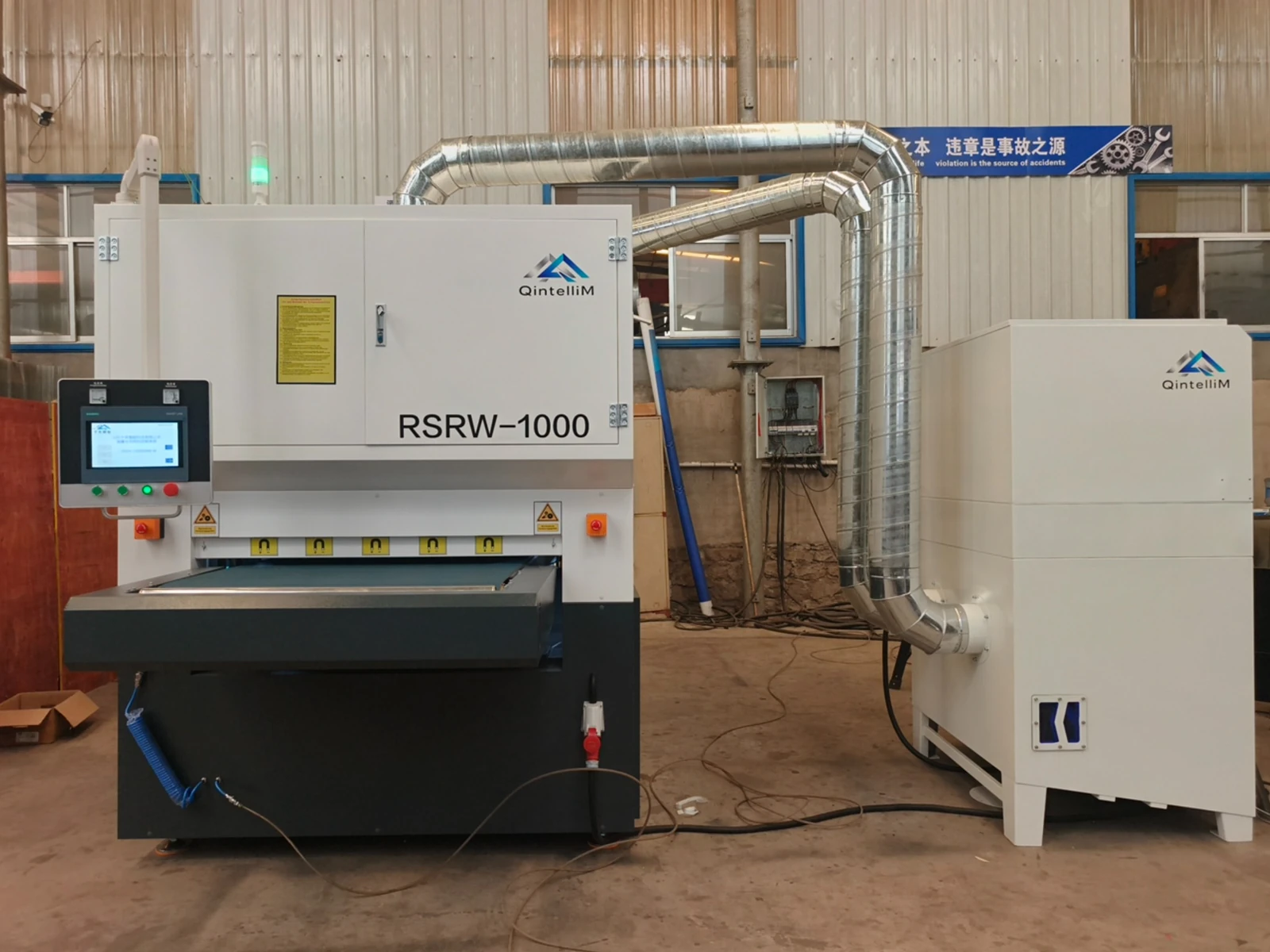
In 2026, Shandong QintelliM Co., Ltd. developed a metal deburring and surface finishing solution for a German laser cutting and metal fabrication company. The project combined a QMZN-1000RSRW-M four-station machine, a QMZN-RR-600-M double-belt machine and two QMZN-SCC 5.5 kW wet dust collectors.
Following initial technical discussions, QintelliM used its in-house laser cutting equipment to produce a test workpiece matching the customer's part design. The subsequent deburring and grinding trial received the customer's approval, after which both parties proceeded with contract discussions and order confirmation.
The customer appointed TÜV Rheinland to conduct a factory audit, a machine inspection and a packing inspection. All three received an A-PASS result. These are the results of the individual project audits and inspections, not a separate TÜV product certification.
Project at a Glance
| Item | Project details |
|---|---|
| Customer location | Germany |
| Industry | Laser cutting and metal fabrication |
| Main material | Carbon steel |
| Main objectives | Cutting-burr removal, edge smoothing and rounding, and surface grinding for selected parts |
| RSW Series machine | QMZN-1000RSRW-M; 1000 mm working width; R-S-R-W configuration; magnetic conveyor; one unit |
| R Series machine | QMZN-RR-600-M; 600 mm working width; R-R configuration; magnetic conveyor; one unit |
| Dust collection | Two QMZN-SCC wet dust collectors, 5.5 kW each |
| Third-party checks | TÜV Rheinland factory audit, machine inspection and packing inspection; all A-PASS |
| Documented delivery stage | Export packing and container loading, November 2026 |
1. Customer Requirements: More Than Burr Removal
The customer's application mainly involved laser-cut carbon steel parts. Typical workpieces were predominantly up to 300 × 300 mm, with some parts reaching approximately 500 mm in width, 2000 mm in length and 30 mm in thickness. These figures describe the application discussed during project development, not common maximum processing limits for both machines.
The customer wanted automated equipment to address six requirements:
- Remove burrs and sharp edges produced by laser cutting.
- Smooth external contours, hole edges and other relevant edge features.
- Make processed components safe to touch and handle.
- Provide K240 surface grinding for selected workpieces.
- Improve handling and processing stability for carbon steel parts of different sizes.
- Address the operating, safety and technical-documentation requirements specified for the equipment's intended use in Germany.
These requirements called for more than a simple single-belt grinding machine. The customer needed different processing options for different workpieces.
Some parts primarily required abrasive belt deburring and grinding, while others also required dedicated rotary-brush edge rounding and surface finishing. QintelliM addressed these differences through a complementary combination of R Series and RSW Series equipment.
2. From Technical Discussion to a Matching-Workpiece Trial
Starting with the part rather than a generic demonstration
The first discussions focused on the customer's parts and the required edge and surface condition. Working width and processing-station layout were important, but the practical question was whether the proposed process could produce a result the customer would accept.
QintelliM therefore used a matching test workpiece rather than relying only on equipment specifications or unrelated demonstration samples.
Producing the workpiece in-house
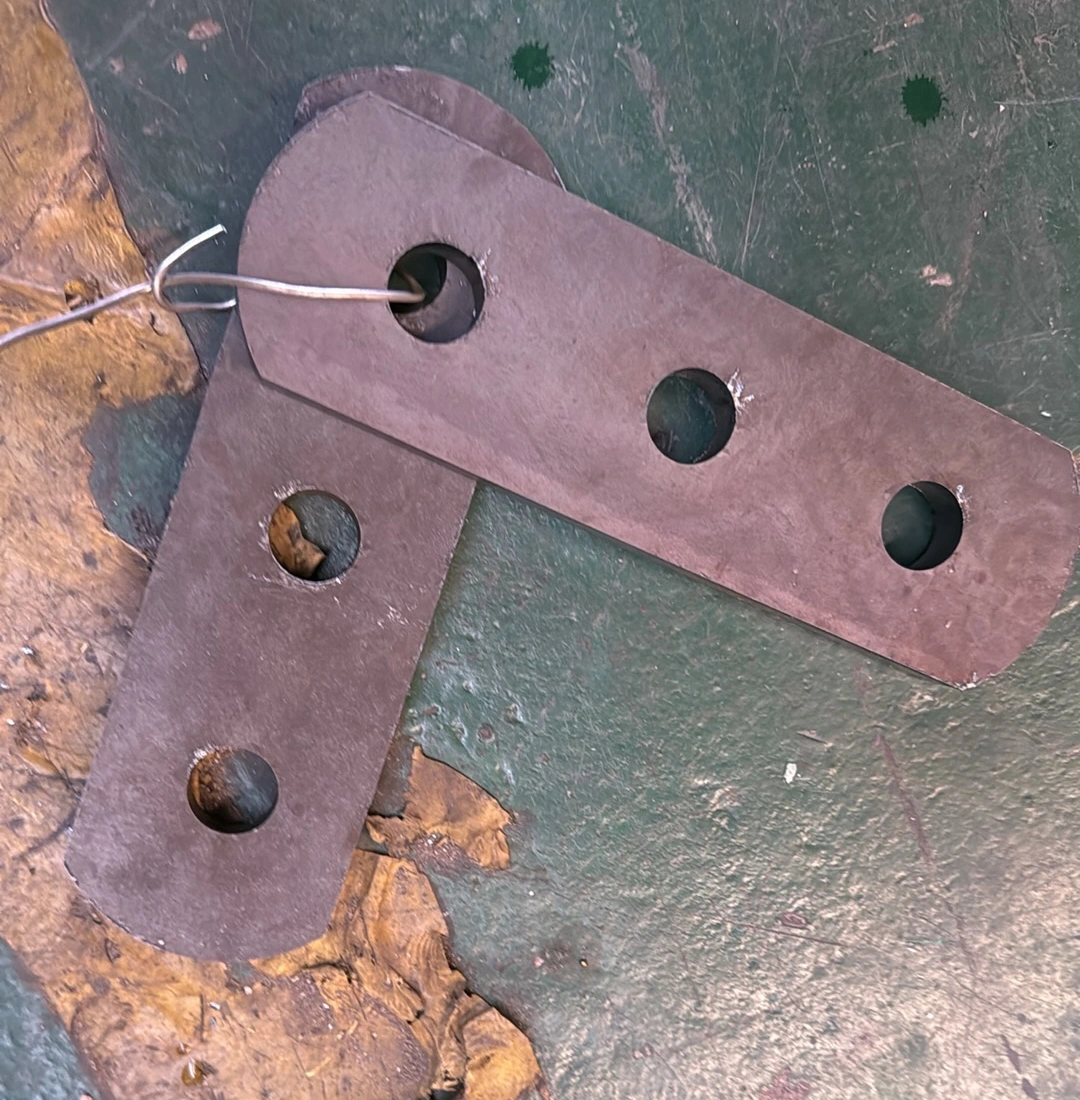
Using its own laser cutting equipment, QintelliM produced a part matching the customer's design and carried out a deburring and grinding trial at its factory. This connected the upstream cutting process with the downstream finishing process and gave the customer a relevant basis for evaluating the proposed solution.
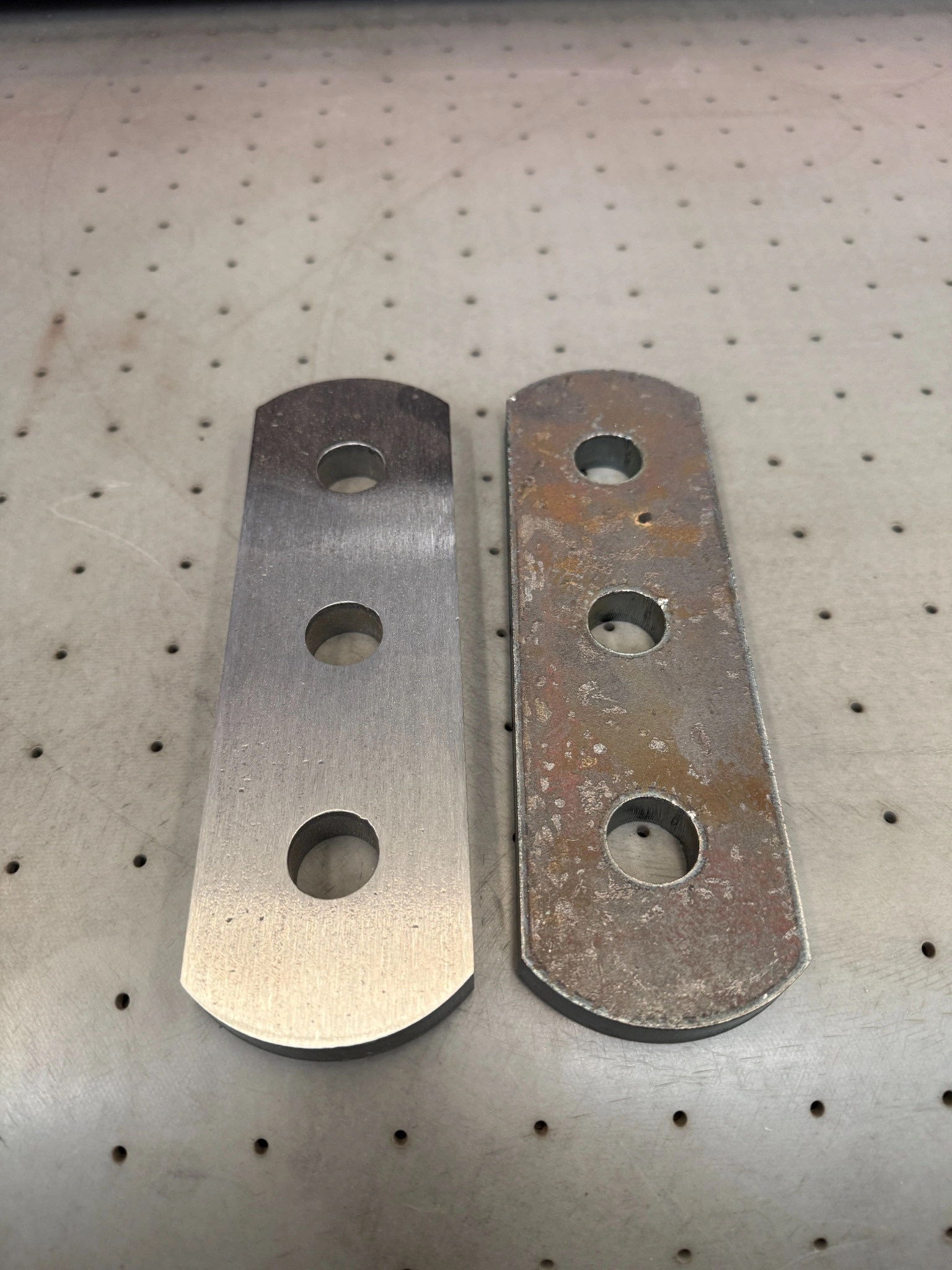
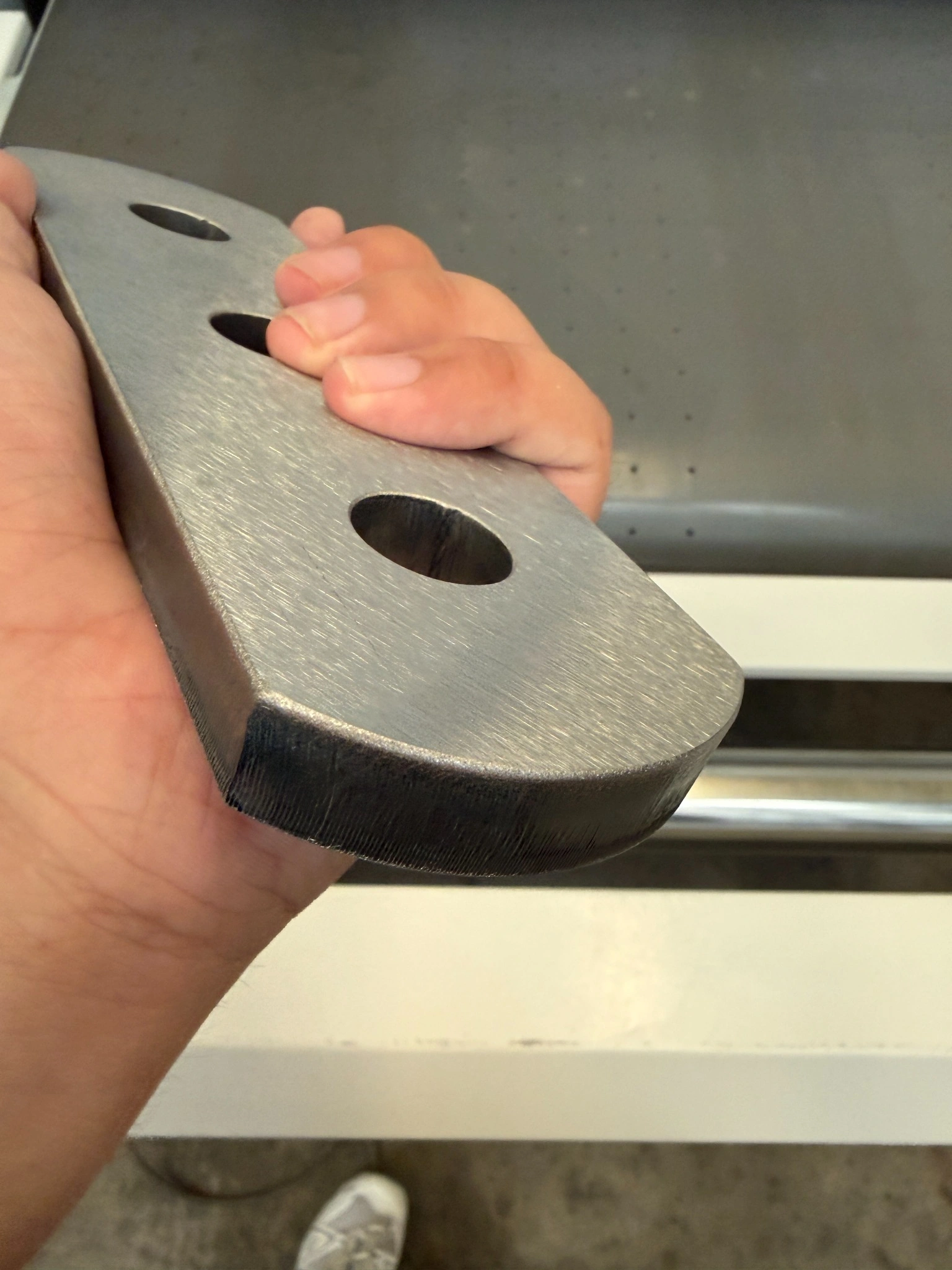
The supplied photographs show unprocessed matching-design parts, two processed-versus-unprocessed comparisons, and close-up views of processed faces and edges. In both comparison photographs, the processed workpiece is on the left and the unprocessed workpiece is on the right.
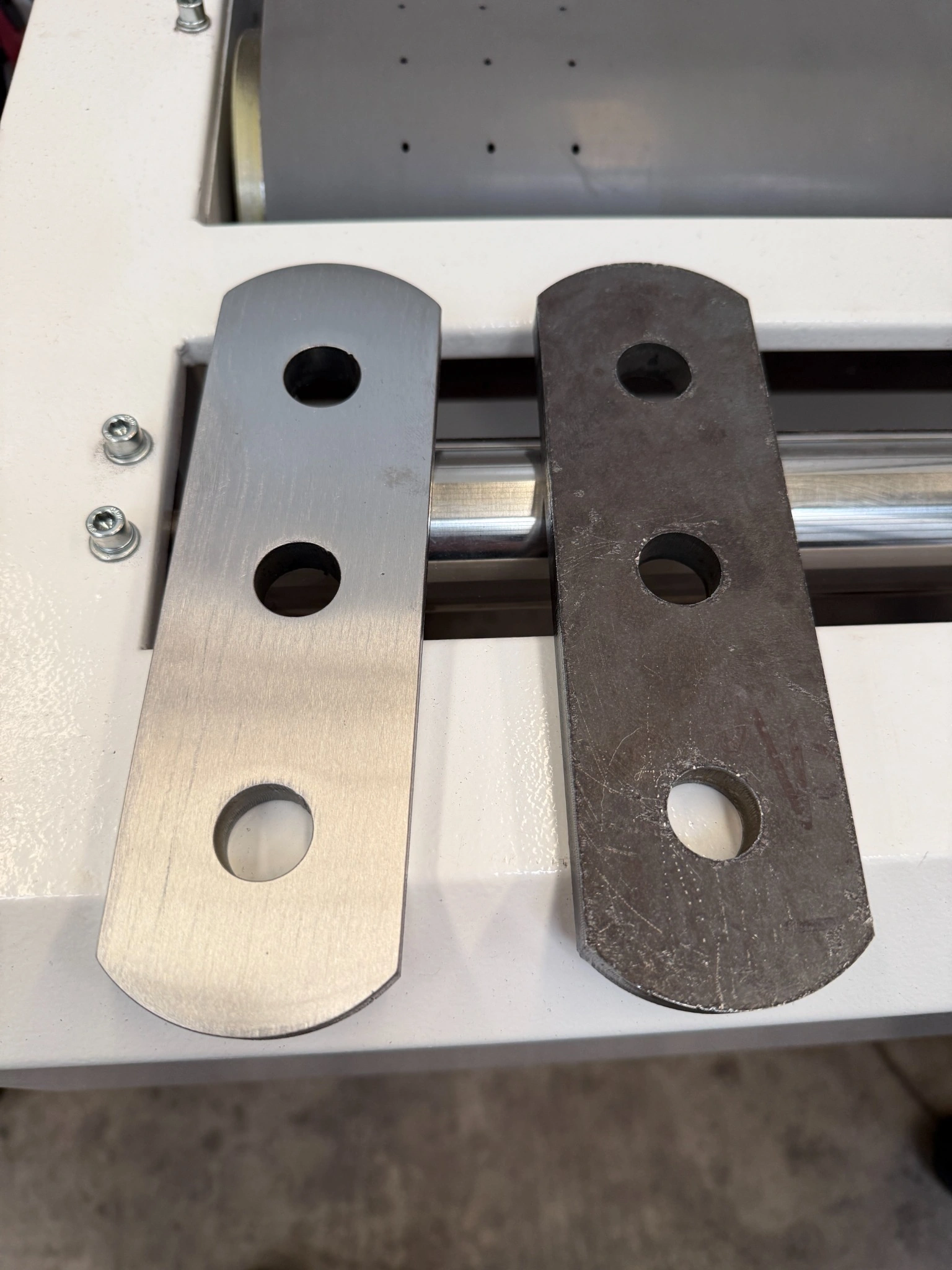
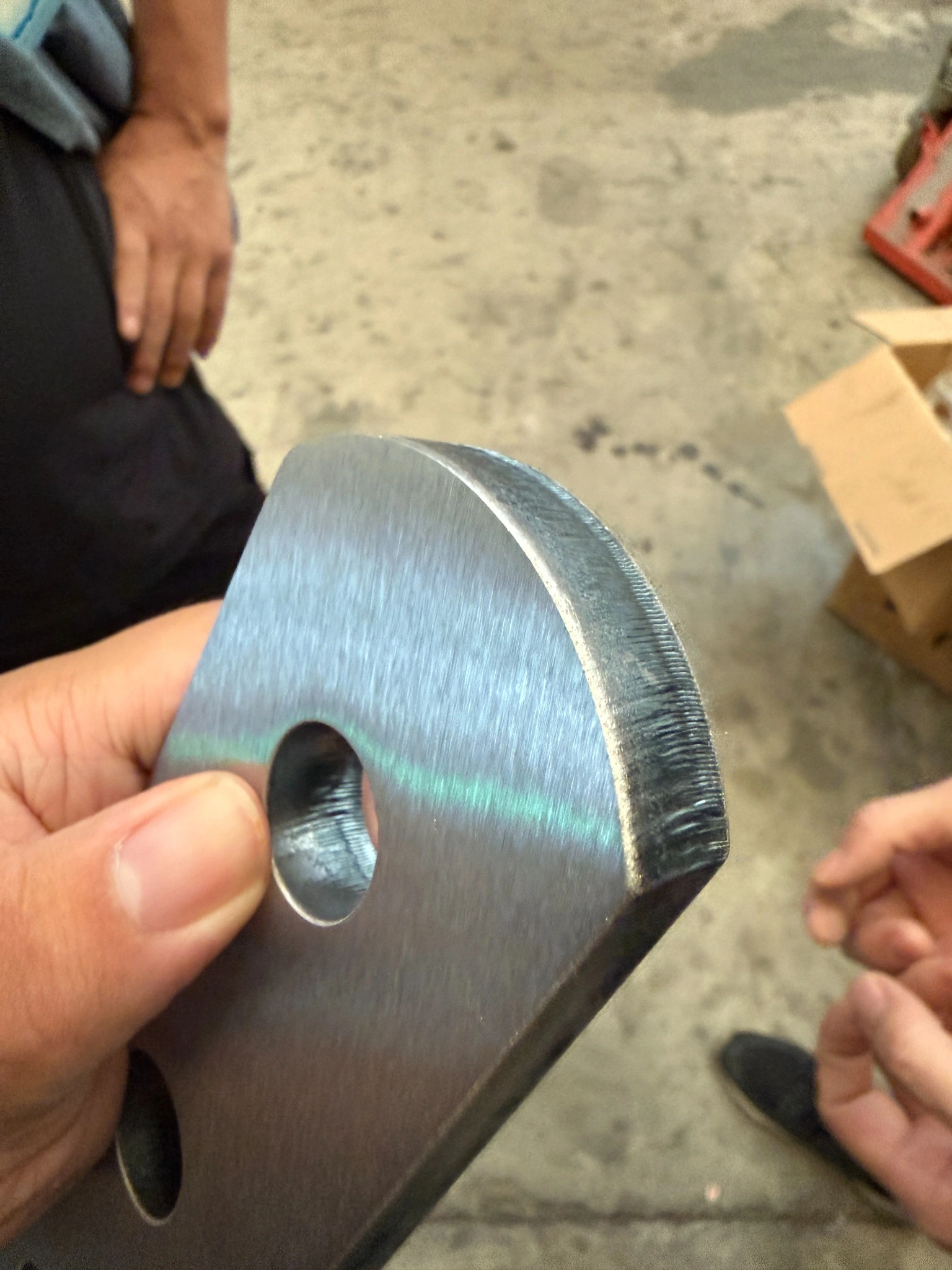
Each comparison shows two matching-design workpieces, rather than a tracked before-and-after photograph of the same physical part.
More trial comparisons and edge details
Approval followed by the equipment order
The trial produced a result that the customer considered excellent and approved. Both parties then proceeded with final configuration discussions, contract terms and order confirmation.
Technical discussion → Matching-workpiece production → Practical trial → Customer approval → Contract and order confirmation.
This approach grounded the purchasing decision in the observed result on a relevant part and established an application target for subsequent equipment manufacturing.
Matching-Workpiece Grinding Video
3. Why QintelliM Understands Metal Processing Challenges
In-house manufacturing is the foundation of application development
Unlike a supplier focused solely on reselling deburring equipment, QintelliM combines equipment research and development, manufacturing, metal fabrication and international trade.
Its in-house capabilities include laser cutting, flame cutting, air-assisted cutting, sheet metal fabrication, and riveting and welding fabrication. This practical background supports workpiece assessment, sample preparation and the discussion of suitable finishing processes.
Laser Cutting
QintelliM can produce test parts from customer drawings and examine their cut edges, burrs, holes, slots and surface condition. In this project, its in-house laser cutting capability was used directly to prepare the matching workpiece for the finishing trial.
Being able to prepare and process a relevant part links the proposed equipment configuration to an observable result.
Flame Cutting
QintelliM's flame cutting experience provides a practical understanding of thick-plate and thermally cut components, including the initial surface and edge conditions that need to be considered when discussing subsequent grinding.
This experience helps the team relate a customer's starting workpiece condition to a suitable processing task.
Air-Assisted Cutting
Experience with air-assisted cutting supports the discussion of cutting conditions, residual burrs and the finishing work that may be needed afterward. QintelliM considers the customer's actual cut condition alongside the material and desired result.
Sheet Metal Fabrication
Hands-on sheet metal fabrication experience helps QintelliM understand how parts move from cutting and fabrication to bending and assembly, and why edge condition, flatness and surface finish matter to subsequent operations.
The objective is not simply to make a component look brighter after grinding, but to match the finishing process to its intended use.
Riveting and Welding Fabrication
Riveting and welding experience provides context for fit-up, joining and assembly requirements. It helps QintelliM understand why customers need to address sharp edges, contact surfaces and the condition of parts before later operations.
Matching the stations to the manufacturing task
For parts requiring belt deburring and grinding, the configuration should focus on those operations. When dedicated edge rounding and further surface finishing are required, the solution needs the corresponding brush and finishing units.
The German project's two-machine configuration followed this distinction. QintelliM's role was to connect the customer's workpiece requirements with the appropriate processing functions, rather than simply add more stations.
Manufacturing Equipment and Workshop Photographs
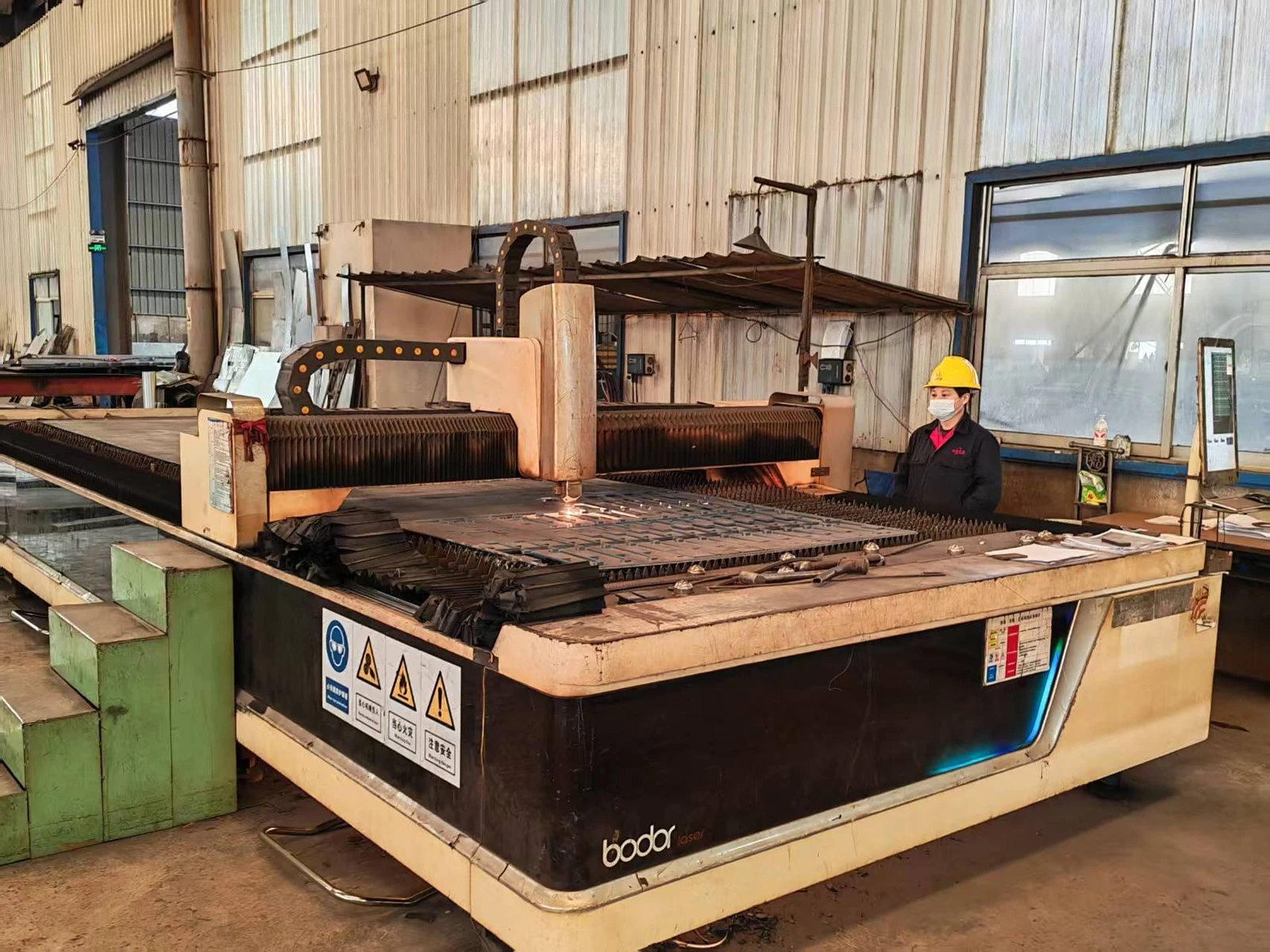
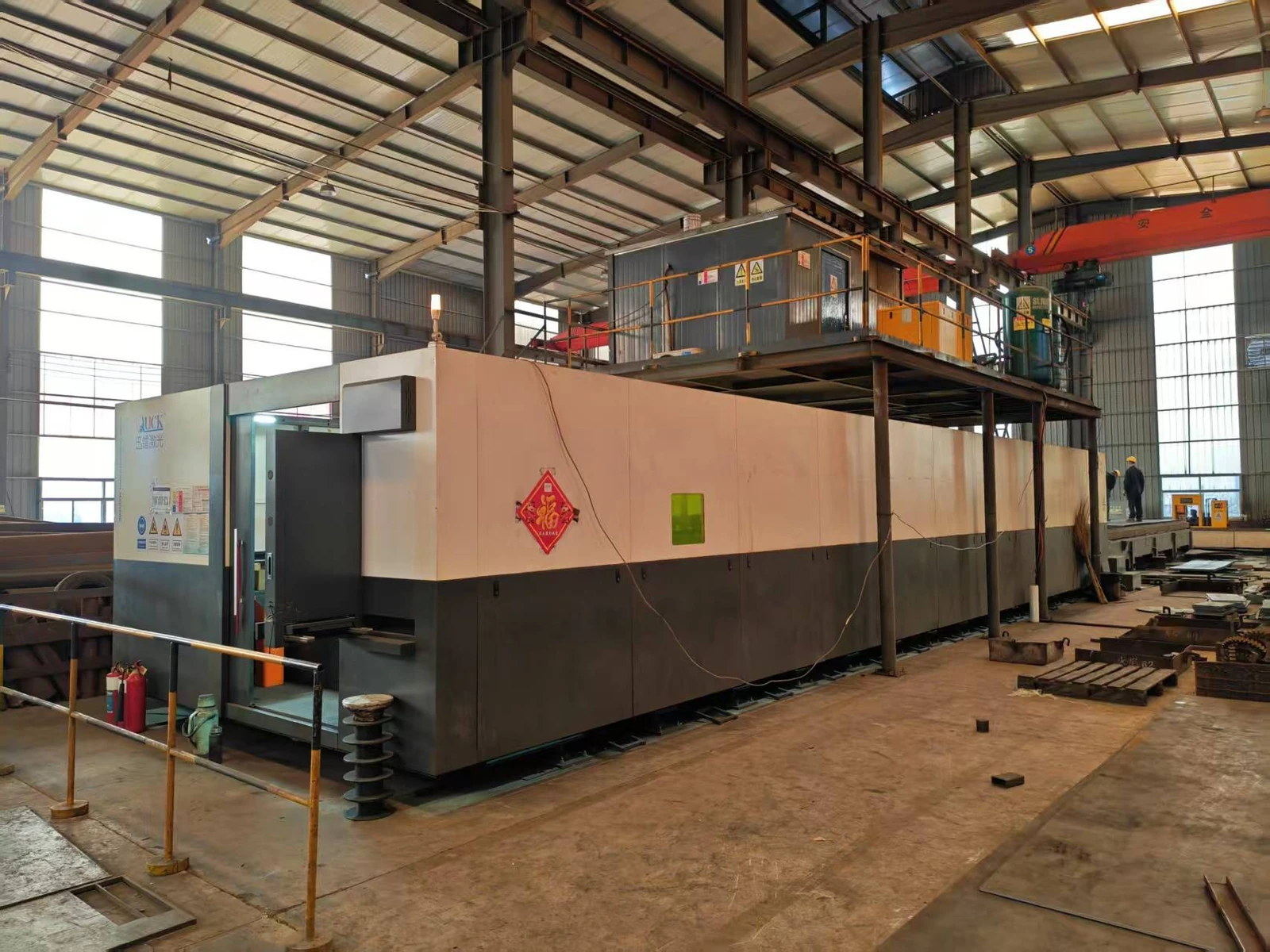
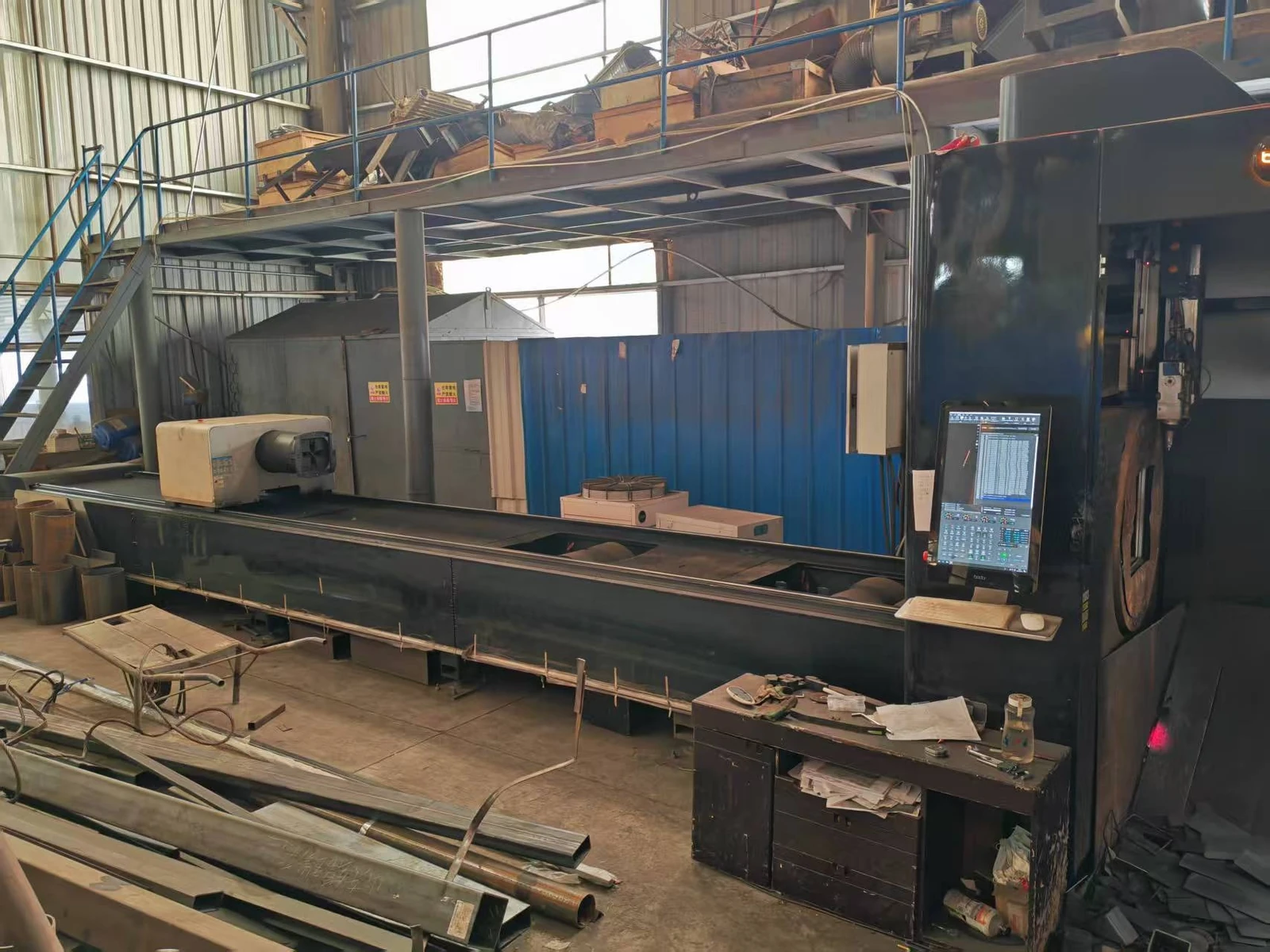
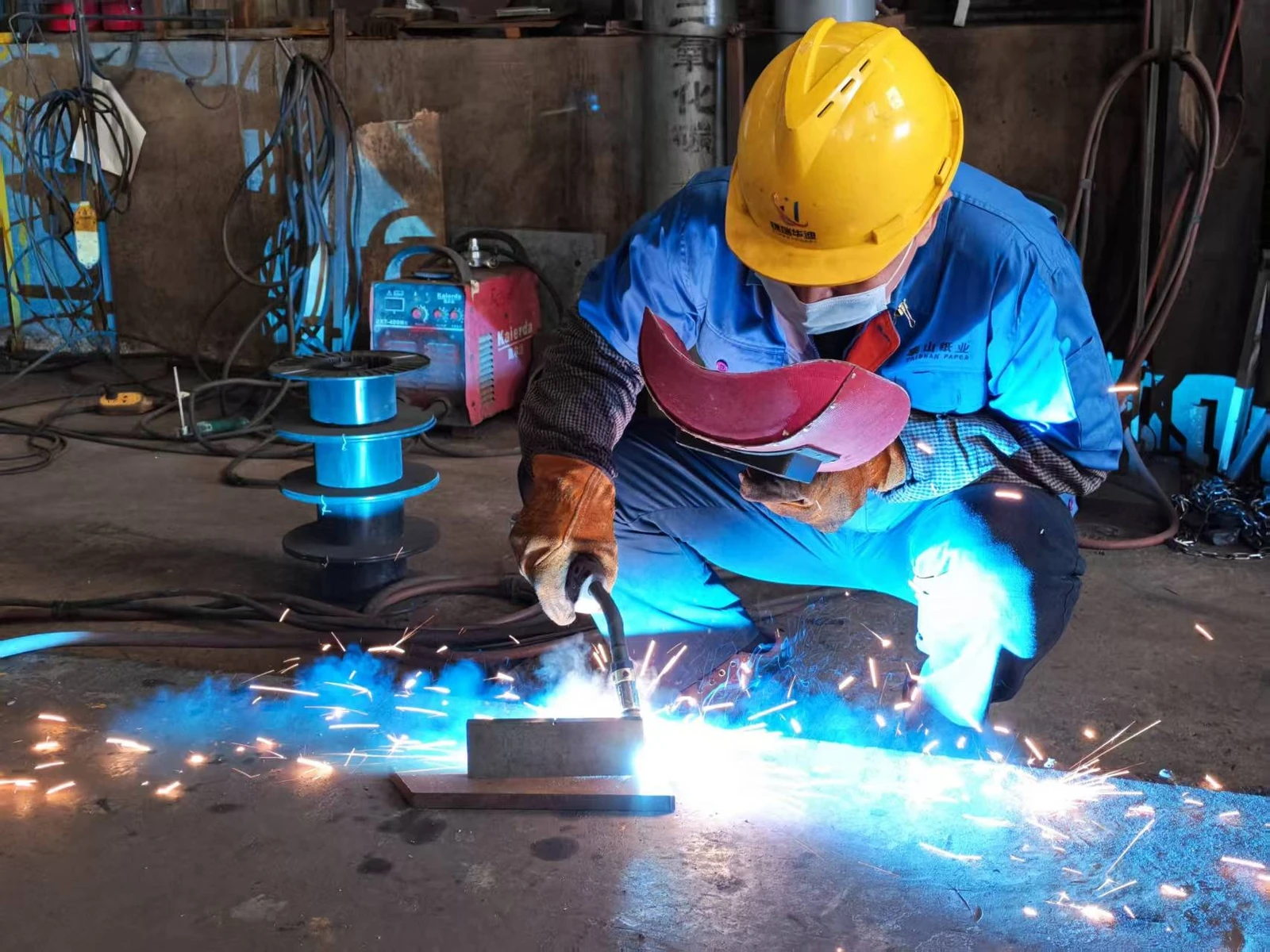
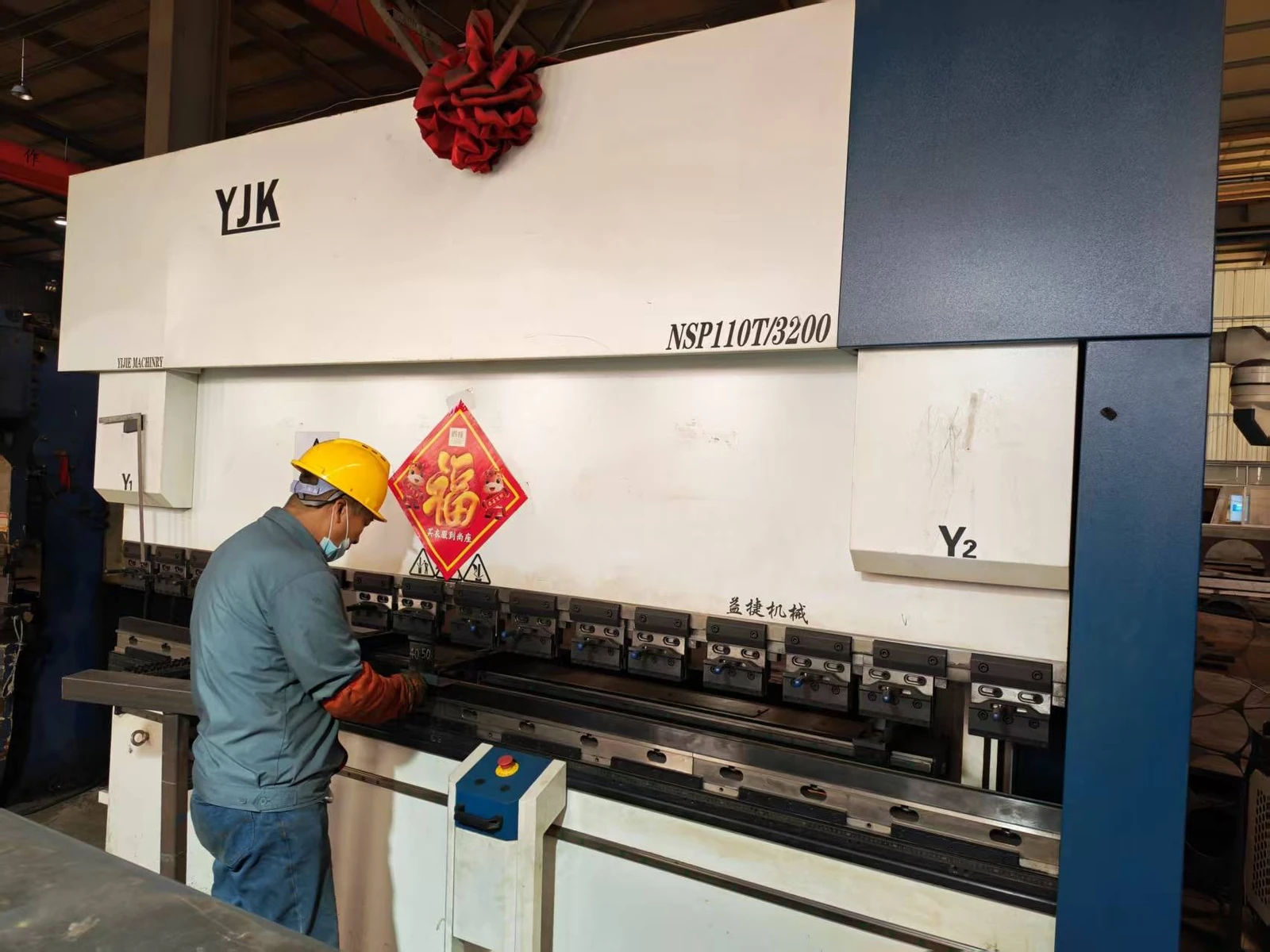
Images 12–16 illustrate manufacturing capabilities. They are not a complete production record of this project, and image 12 is not presented as the moment when the matching project sample was cut.
4. The Equipment Solution: Complementary RSW and R Series Machines
QMZN-1000RSRW-M: Four Processing Stations in One Machine
The RSW Series machine selected for the project has a 1000 mm working width and a magnetic conveyor. RSW is the product-family designation; this specific machine has four stations in an R-S-R-W sequence:
Abrasive belt deburring → Rotary-brush edge rounding → Abrasive belt fine grinding → Surface finishing.
The first R station performs initial deburring and grinding. The S station uses six rotary roller brushes for edge treatment. The second R station provides additional grinding, including the K240 requirement for selected parts. The W station provides the final surface-finishing operation.
The initial consumable set specified for this project included 80- and 240-grit abrasive belts and six rotary roller brushes, supporting the different processing functions within the machine.
The configuration combines distinct processing stages in one automated machine, providing complementary functions for deburring, edge rounding and surface finishing.
View the project RSRW-1000 machine photograph ↑
QMZN-RR-600-M: Double-Belt Deburring and Grinding
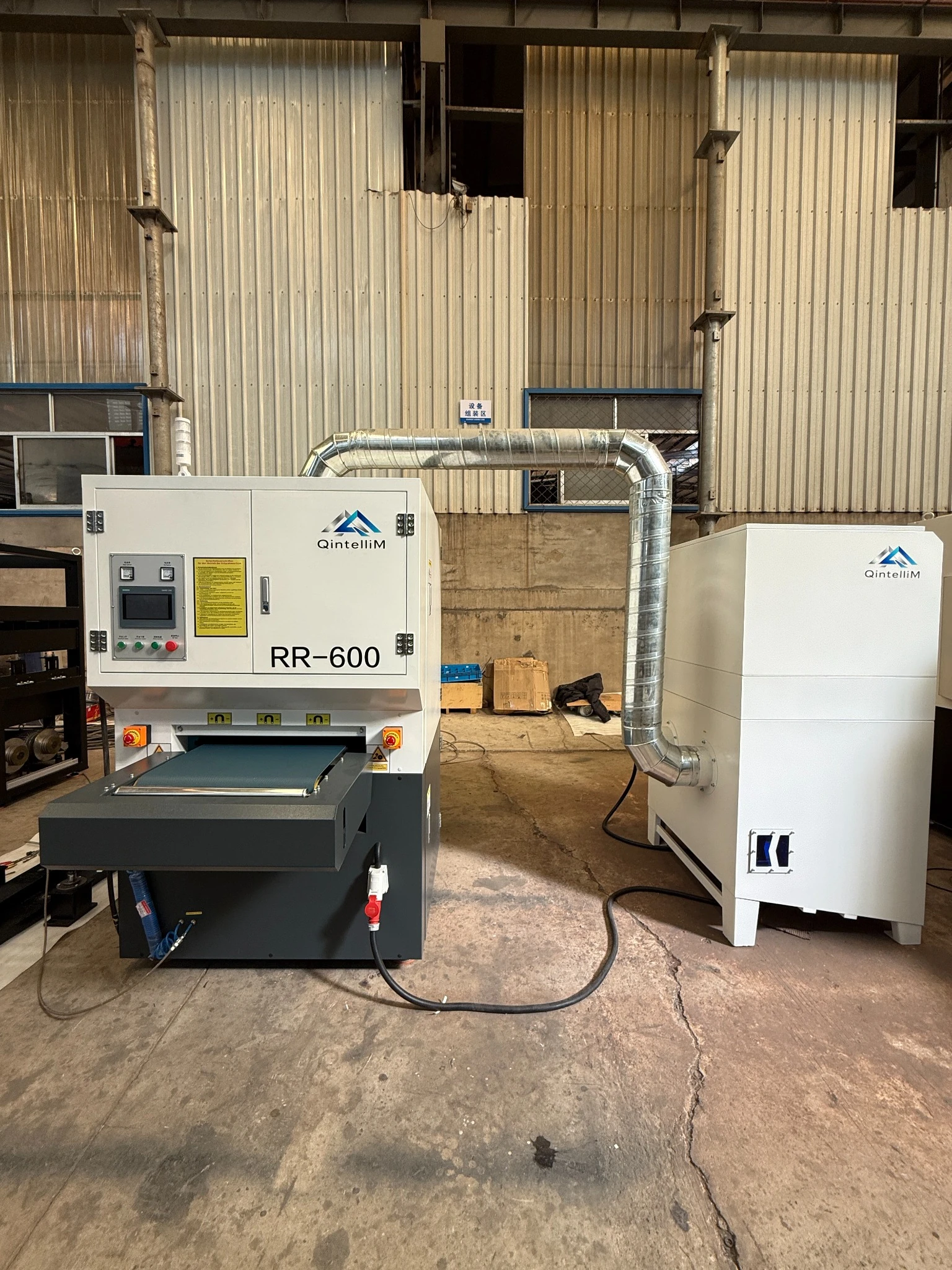
The R Series machine has a 600 mm working width, a magnetic conveyor and an R-R double abrasive belt configuration. The initial consumable set specified for the project included one 80-grit and one 120-grit belt.
This machine focuses on abrasive belt deburring and grinding. It provides an alternative for parts that do not require the RSRW machine's dedicated rotary-brush and final-finishing stages.
Unlike the RSRW machine, the RR configuration focuses on abrasive belt processing rather than a separate rotary-brush edge-rounding stage.
Magnetic Conveying and Wet Dust Collection
Both machines use magnetic conveyors for the project's predominantly ferromagnetic carbon steel workpieces. Each machine is paired with a QMZN-SCC wet dust collector rated at 5.5 kW.
The supplied machine photographs show the main machines with their connected dust collectors and extraction ducting. Together, the processing equipment, conveying platforms and dust collection form the project solution.
5. Three TÜV Rheinland Checks, All A-PASS
The customer appointed TÜV Rheinland to carry out checks at three separate project stages:
Factory audit
A-PASSMachine inspection
A-PASSPacking inspection
A-PASSThe checks concern different stages of the project: the manufacturing facility, the completed equipment and the export packing. The factory audit and final equipment inspection were defined project milestones. The agreed equipment-inspection scope included mechanical and electrical tests, visual checks, markings, packing-list checks and quantities.
6. Preparing the Equipment for Use and Export
German-language operating information
The project included German HMI content, operating-panel and safety-label adaptation, and operating documentation for the German customer. This work formed part of the delivery preparation alongside the mechanical and electrical equipment.
Consumables, spare parts and remote support
Additional abrasive belts, replacement roller brushes and spare parts were arranged with the equipment order. The spare-parts scope included pneumatic components, sensors, limit switches, bearing kits and a corresponding conveyor belt.
The agreed remote-support scope covered installation, commissioning, operating guidance and basic troubleshooting.
Packing and container loading
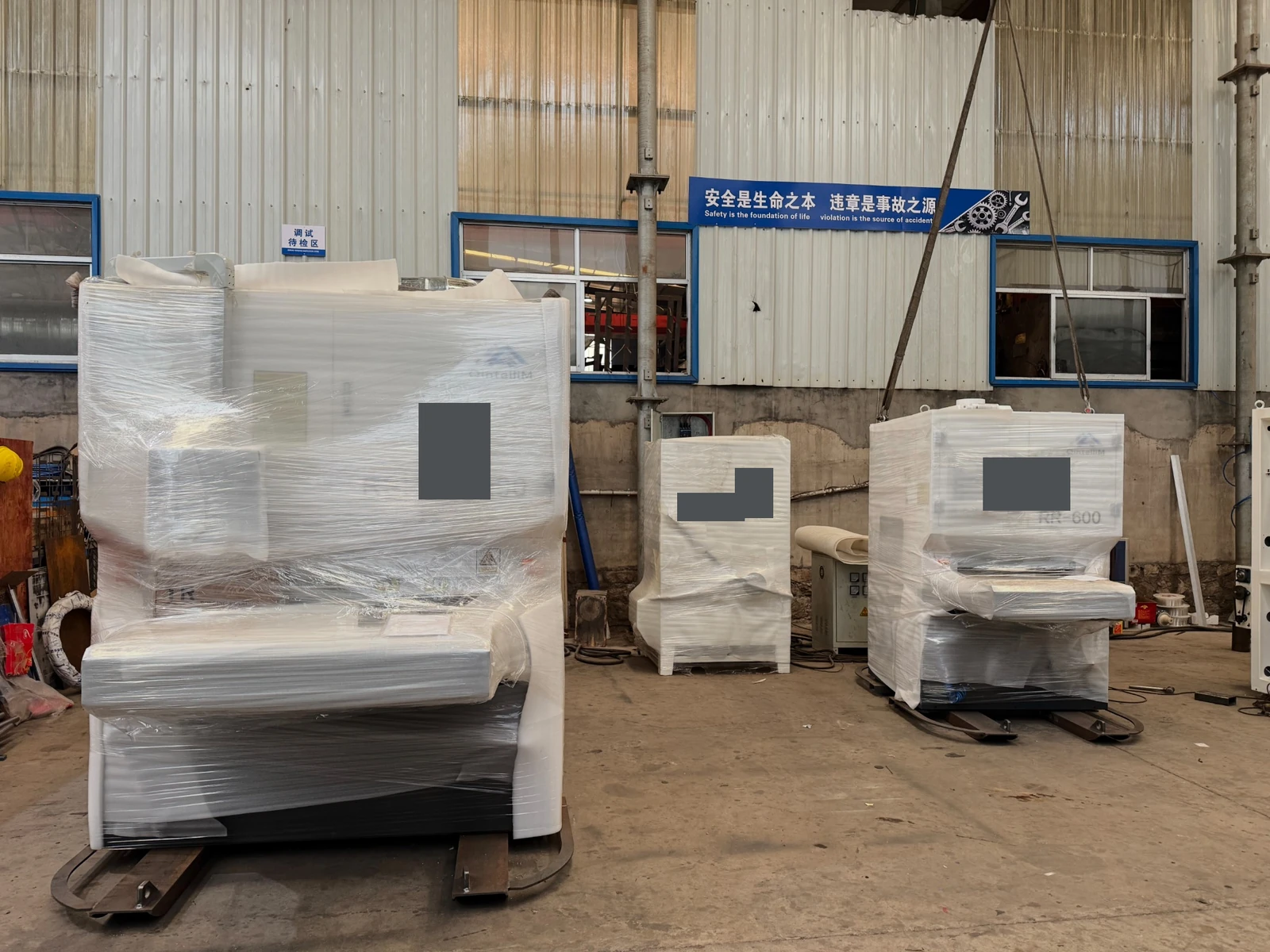
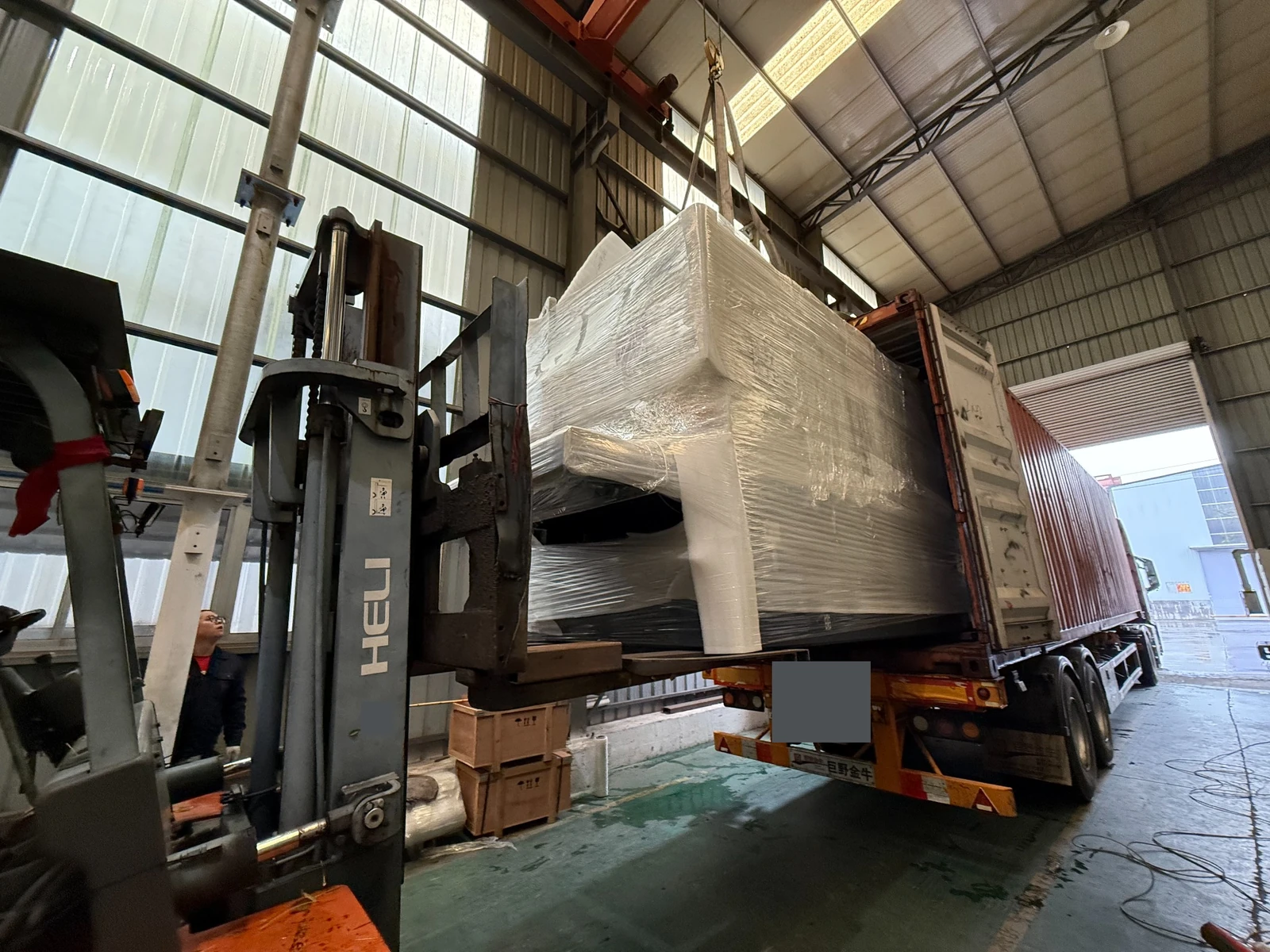
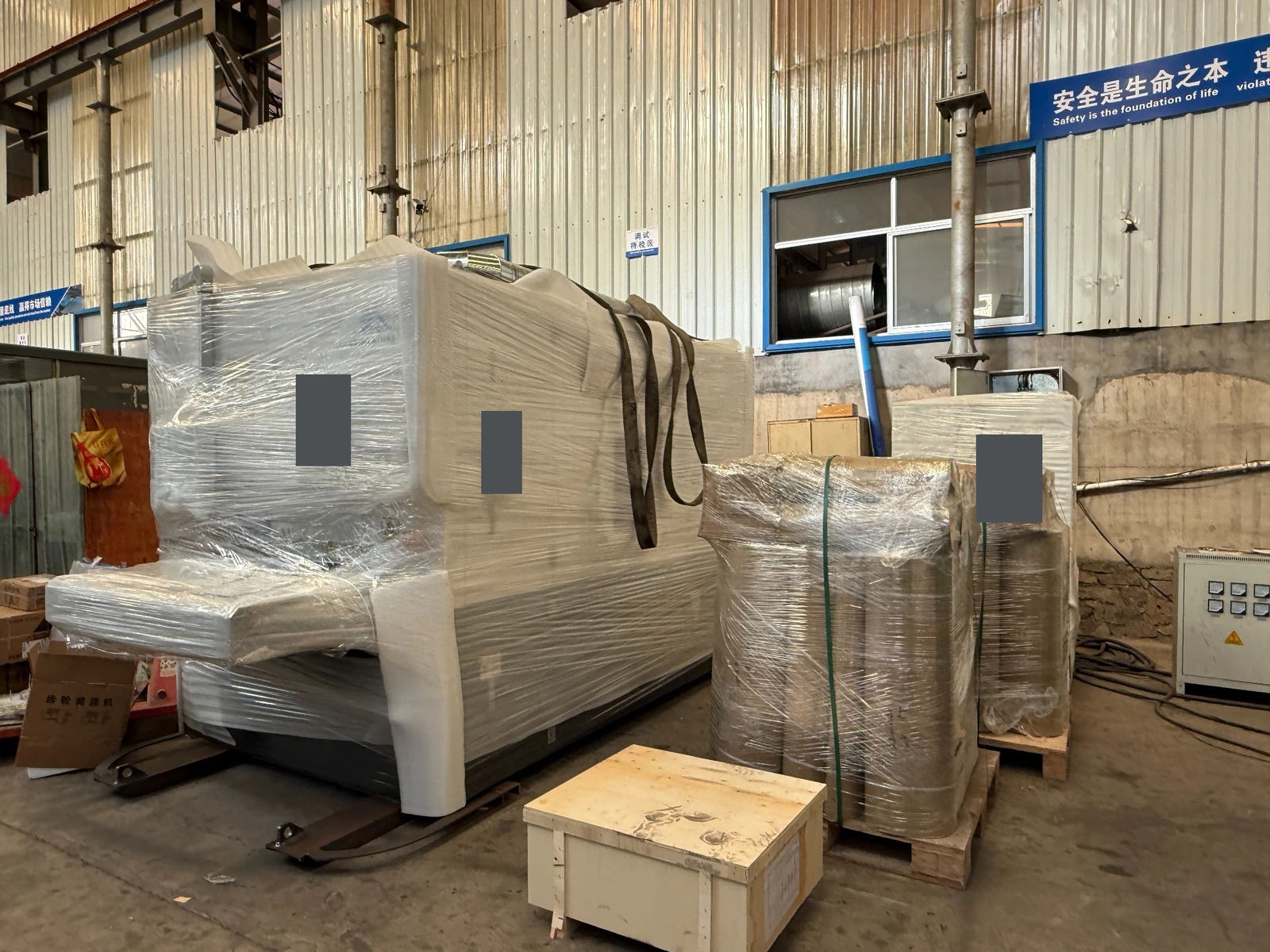
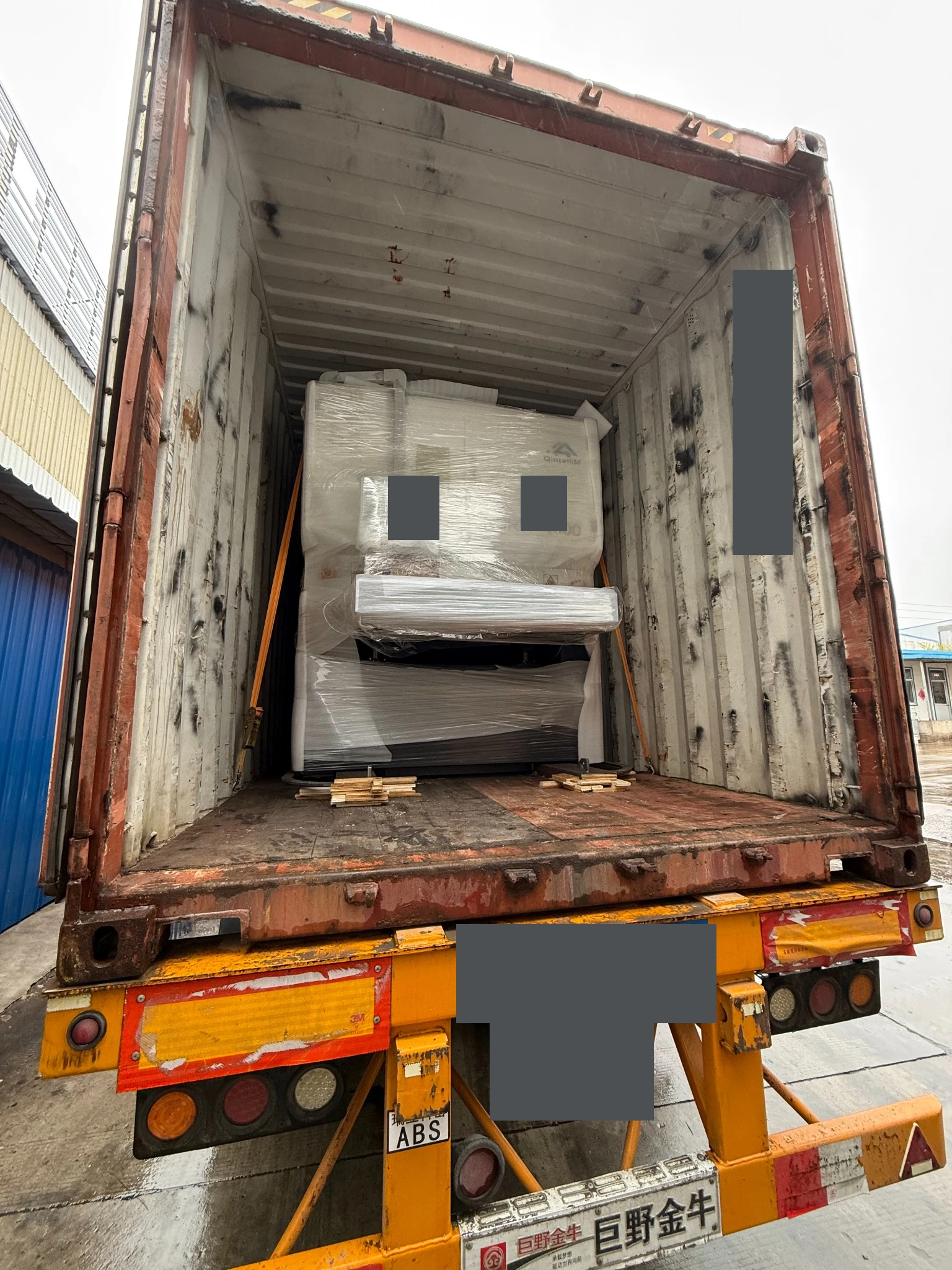
The project photographs show the packed machines in the factory, protective wrapping and edge protection, steel transport bases, and equipment being loaded into a shipping container. They also show a packed machine positioned inside the container.
QintelliM coordinated export arrangements for the shipment from Qingdao to Hamburg. By the stage documented in November 2026, the project had completed the three checks and progressed to export packing and container loading.
Packing details and the view inside the container
7. Project Summary
The German project began with the customer's actual metal finishing requirements and progressed through a practical trial on a matching workpiece.
QintelliM's in-house laser cutting capability connected sample preparation with process verification. After the customer approved the result, both parties confirmed the equipment order. The R Series machine addressed belt deburring and grinding, while the RSW Series machine combined R-S-R-W stations for additional edge rounding and surface finishing.
The factory audit, machine inspection and packing inspection all received TÜV Rheinland A-PASS results.
The project demonstrates a workpiece-based approach covering application assessment, matching-part preparation, processing trials, equipment configuration, staged inspection and export preparation.
QintelliM — Focused on Metal Surface Finishing Solutions.
Frequently Asked Questions
How did QintelliM verify the result before the order?
QintelliM used its own laser cutting equipment to produce a part matching the customer's design and performed a deburring and grinding trial. The customer approved the result before the parties proceeded with contract discussions and order confirmation.
What is the difference between the two machines?
QMZN-1000RSRW-M has four stations—R-S-R-W—for belt deburring, rotary-brush edge rounding, fine grinding and finishing. QMZN-RR-600-M has two abrasive belt stations and focuses on deburring and grinding.
What do the three TÜV A-PASS results refer to?
They refer to the factory audit, machine inspection and packing inspection for this project. They are separate audit and inspection results, not a standalone TÜV product certification.
What does K240 mean in this case?
K240 refers to the abrasive-grinding requirement for selected workpieces. It is not a measured Ra value, an edge-radius specification or a finish measurement inferred from the photographs.
How did QintelliM's fabrication capabilities contribute?
In-house laser cutting was used to prepare the matching test workpiece. The wider manufacturing background helps QintelliM consider finishing requirements in the context of real cutting, fabrication and assembly operations.
Discuss Your Workpiece Requirements
Share your material, cutting method, thickness range, workpiece dimensions, photographs and required edge or surface condition with QintelliM. These details provide a practical starting point for discussing the appropriate deburring and finishing configuration.